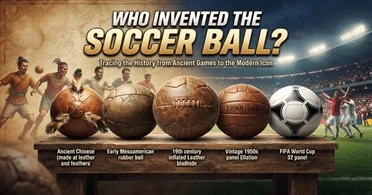
The best soccer ball depends on how and where you play. A professional match ball is designed around consistency, flight, touch, and strict testing, while a good training or recreational ball may prioritize durability and value.
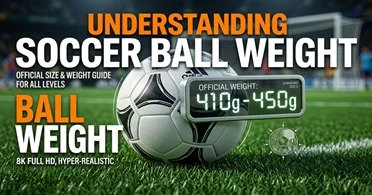
For most players buying a full-size outdoor ball, Size 5 is the standard choice. A regulation Size 5 ball has a circumference of 68–70 cm (27–28 inches) and weighs 410–450 g (14–16 oz) at the start of a match. Match balls used in FIFA and confederation competitions must carry an appropriate FIFA quality mark.
The right ball therefore isn’t simply the most expensive one. It is the ball whose size, construction, surface, bladder, certification, playing surface, and intended use match your needs.
Best Soccer Balls at a Glance
| Soccer ball type | Best suited for | What to look for |
| Professional match ball | Competitive matches | FIFA Quality Pro |
| Club/match ball | Club and school competition | FIFA Quality, FIFA Basic, or required league approval |
| Training ball | Regular practice | Durable cover and reliable air retention |
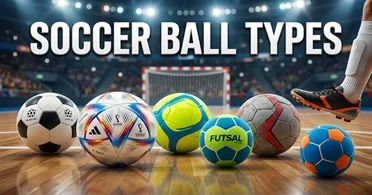
| Turf ball | Artificial grass | Turf-specific construction |
| Futsal ball | Indoor/futsal | Low-bounce construction and futsal certification |
| Youth ball | Younger players | Correct Size 3 or Size 4 |
| Recreational ball | Casual outdoor play | Durability and value |
| Premium tournament ball | Serious players and collectors | High-end construction and certification |
There is no single soccer ball that is ideal for every player. A Size 5 FIFA Quality Pro match ball can be excellent for competitive play but unnecessary for someone who mainly plays casual games.
What Makes a Good Soccer Ball?
A good soccer ball should be round, consistent, appropriately weighted, durable enough for its playing environment, and predictable when kicked.
The most important characteristics are:
- Correct ball size
- Appropriate weight
- Consistent shape
- Reliable air retention
- Suitable cover material
- Good surface texture
- Appropriate panel construction
- Suitable bladder
- Resistance to water absorption
- Certification or league approval when required
FIFA’s football testing program evaluates characteristics including weight, circumference, roundness, bounce, water absorption, loss of pressure, and retention of shape and size. FIFA Quality Pro represents the highest FIFA quality level.
That makes certification a useful starting point when comparing professional and match-quality soccer balls.
What Is the Best Soccer Ball for Most Players?
For an adult or older youth player playing standard outdoor soccer, a Size 5 ball with a quality synthetic cover and appropriate match or training certification is a sensible starting point.
If you play organized competitive soccer, check your league’s equipment requirements before buying. A recreational ball may feel fine during casual play but may not meet competition requirements.
For everyday practice, you do not necessarily need the most expensive professional match ball.
10 Soccer Balls and Ball Types Worth Considering
Rather than claiming that one product is universally the “best,” consider these examples according to their intended use.
1. Adidas FIFA World Cup 26 Trionda Finals Pro Ball
The Adidas FIFA World Cup 26 Trionda Finals Pro Ball is a professional-level match ball carrying FIFA Quality Pro certification. adidas describes it as thermally bonded and seamless, with a textured surface designed to support flight stability and touch.
It is designed for players looking for a premium match-ball experience rather than simply an inexpensive practice ball.
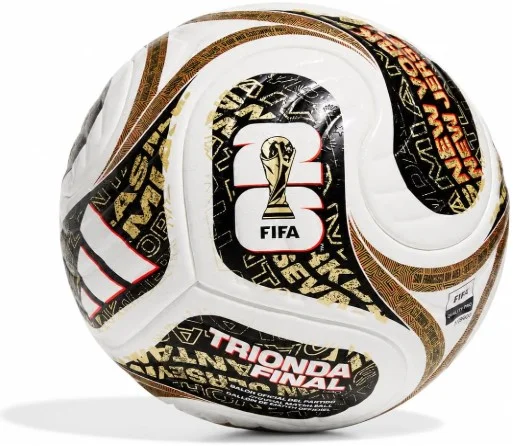
Best premium match soccer ball
Adidas FIFA World Cup 26 Trionda Finals Pro Soccer Ball
The TRIONDA is the official match ball of the 2026 FIFA World Cup. FIFA says its four-panel construction and connected-ball technology are part of the tournament ball’s design.
2. Adidas TRIONDA
It is particularly relevant if you want a current tournament ball or are interested in professional-level soccer equipment.
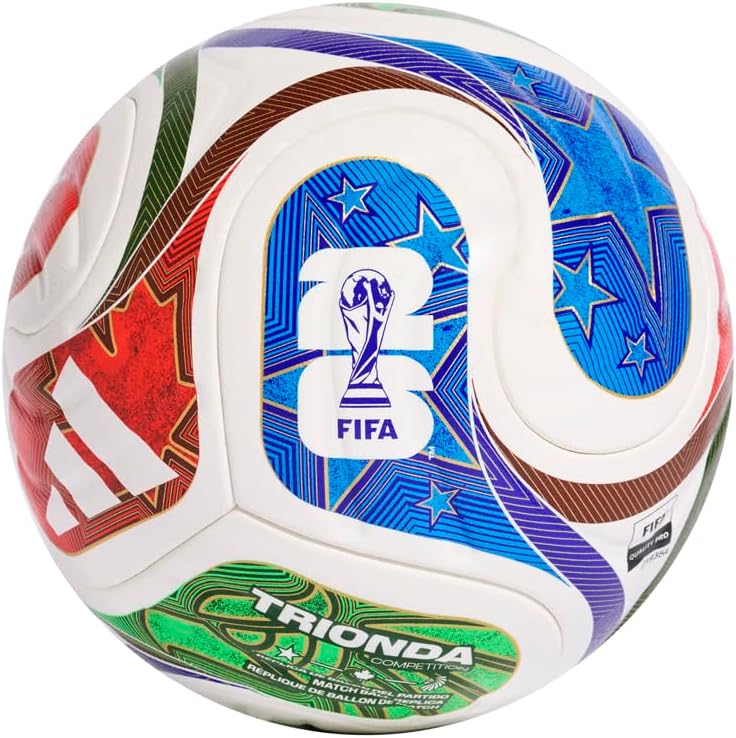
best tournament soccer ball
Competition Ball – Inspired by la Ola Wave Design
3. Adidas MLS Pro Balls
adidas’ MLS Pro balls are designed for professional-level MLS play. adidas states that its professional MLS balls use thermally bonded seamless construction, textured surfaces, butyl bladders, and FIFA Quality Pro certification.
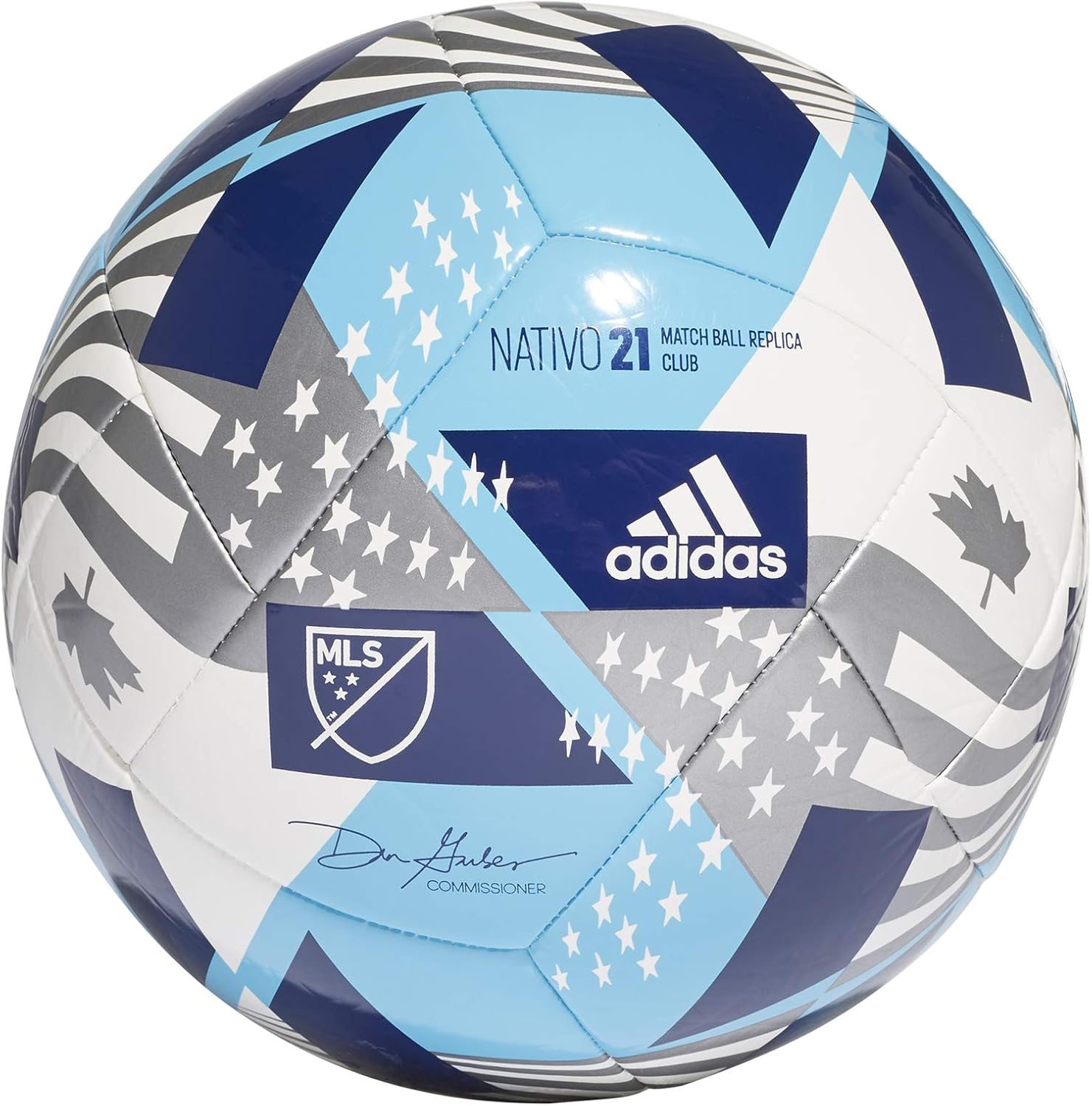
Best replica soccer ball
Adidas MLS Club with high durability for training
These are worth considering when you want an MLS-branded professional ball rather than a basic recreational ball.
4. SELECT Brillant Super USL 2026
The SELECT Brillant Super USL 2026 is the official match ball for several USL competitions during the 2026 season. SELECT describes it as a hand-stitched, 32-panel FIFA Quality Pro ball with a structured surface and latex bladder.
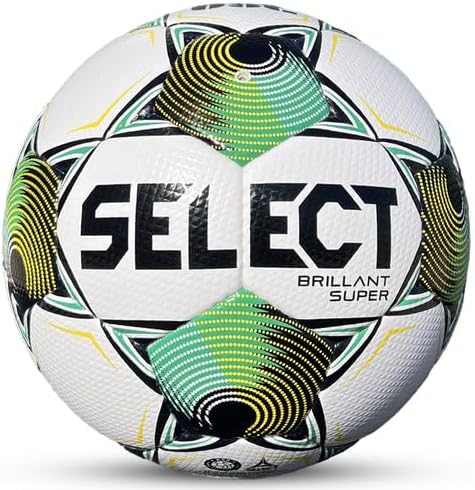
best official match ball
SELECT Brillant Super USL competitions soccer ball
Its construction makes it an example of a professional match ball that uses a different approach from seamless thermally bonded balls.
5. SELECT Super v26
The SELECT Super v26 is a professional match and training ball made with synthetic leather, a structured surface, 32 hand-stitched panels, and a latex bladder. SELECT lists it as FIFA Quality Pro.
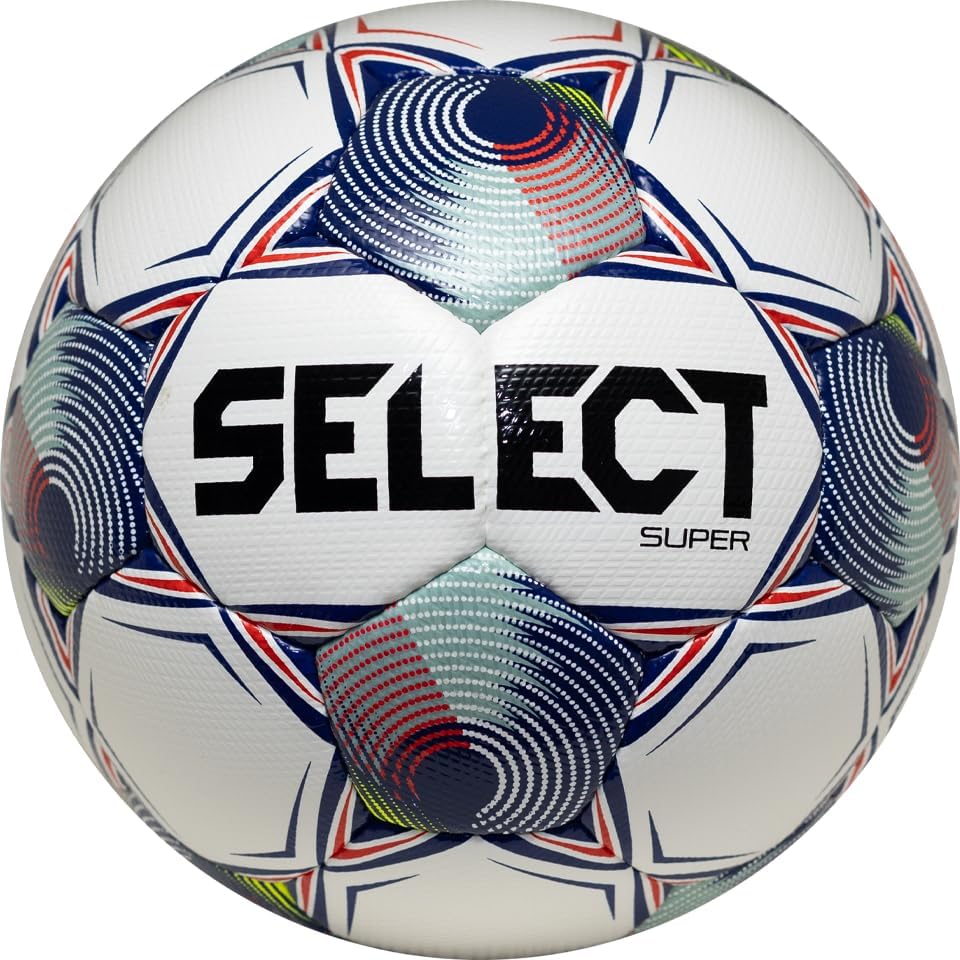
best professional match and training ball
SELECT Super v26 USL soccer ball
It can make sense for players who want professional-level specifications without necessarily buying a tournament-branded ball.
6. Nike Academy Elite
The Nike Academy Elite is a Size 5 soccer ball with four-panel construction and debossed casing grooves. Nike says its construction is intended to support a more consistent flight and lists it as NFHS approved.
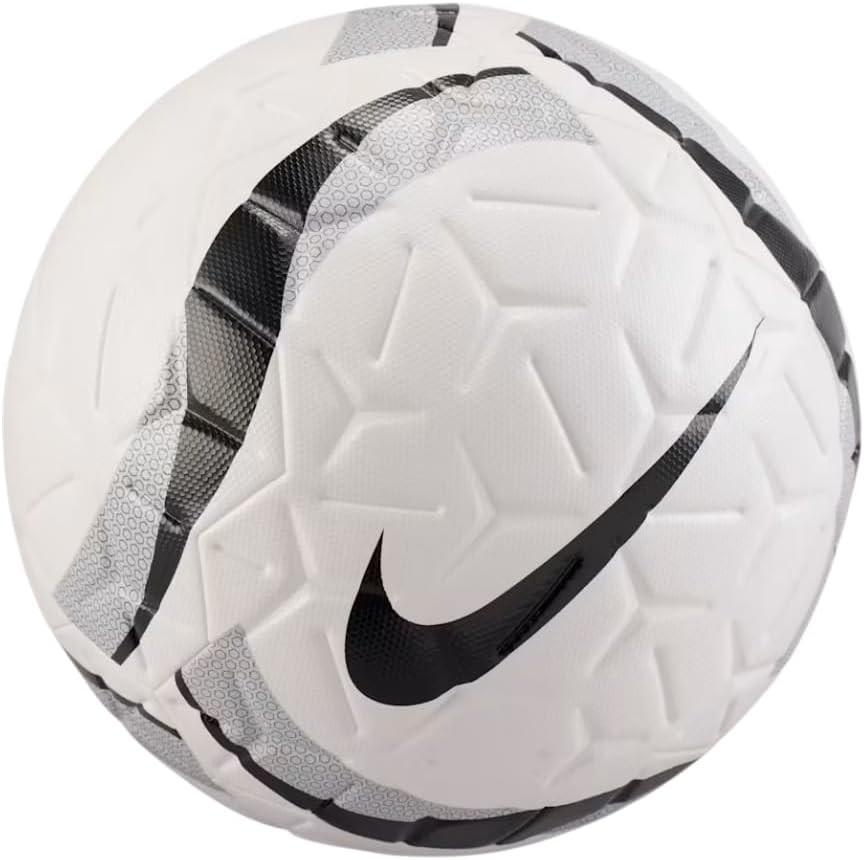
best Size 5 soccer ball NFHS approved
Nike Academy Elite soccer ball
It is an example of a training-oriented ball where construction and league approval may matter more than having a professional FIFA Quality Pro match ball.
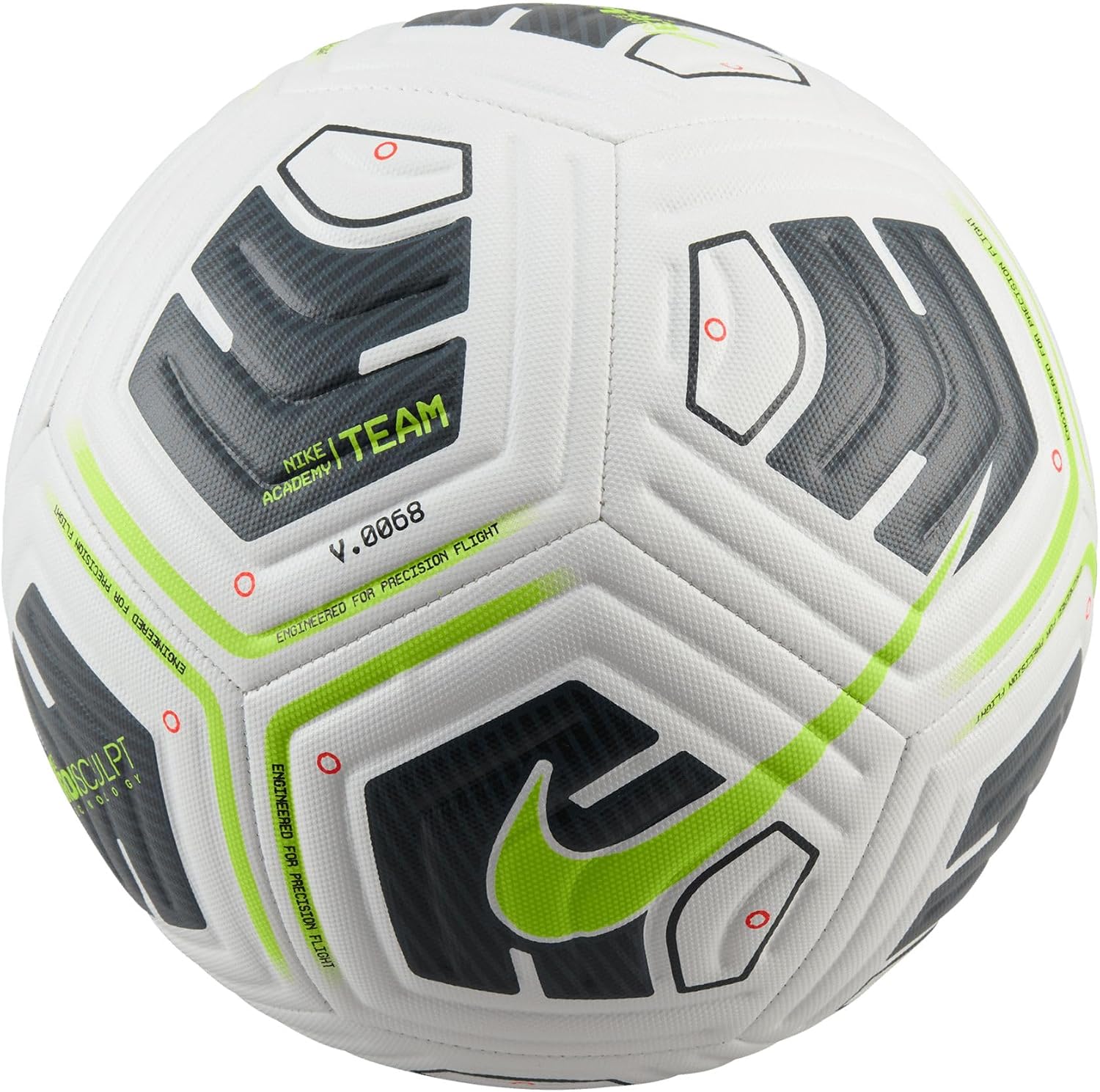
7. Nike Academy Soccer Balls
Nike’s Academy range includes several Size 5 options, including the USA Academy, France Academy, and Brazil Academy balls. Current Nike listings show these as composite-leather Academy balls.
best Size 5 soccer ball options
Academy soccer balls by Nike (Multiple Academy’s)
These can be considered for training, recreational play, or fans who want a national-team-inspired design.
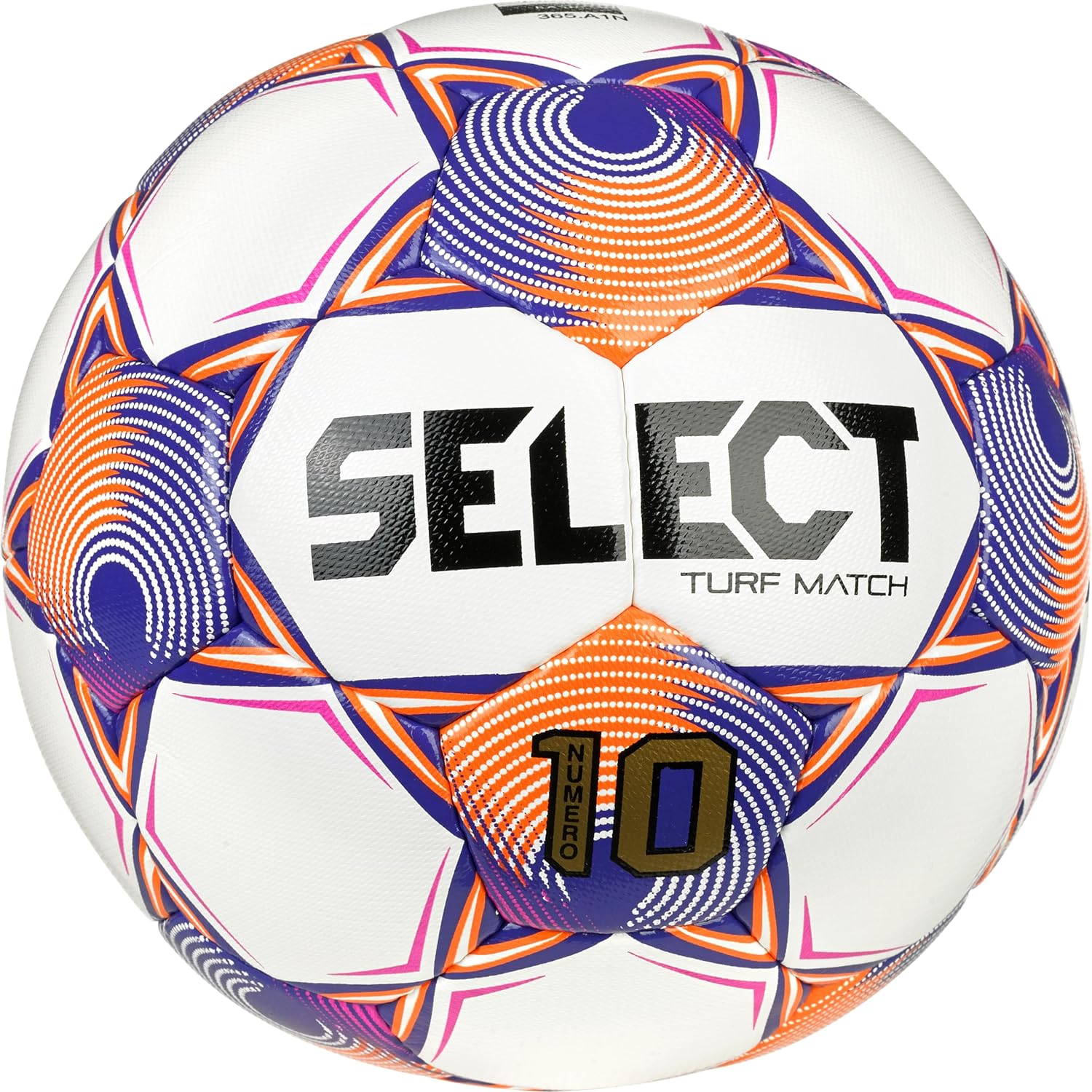
8. SELECT Numero 10 Turf Match
If you regularly play on artificial grass, the SELECT Numero 10 Turf Match is specifically designed for turf surfaces. SELECT describes it as a durable, hand-stitched ball with a textured PU synthetic-leather surface and FIFA Basic approval.
best soccer ball for turf surfaces
SELECT Numero 10 Turf Match soccer ball
A turf-specific ball can be more appropriate than choosing a professional grass-match ball simply because it has a higher price.
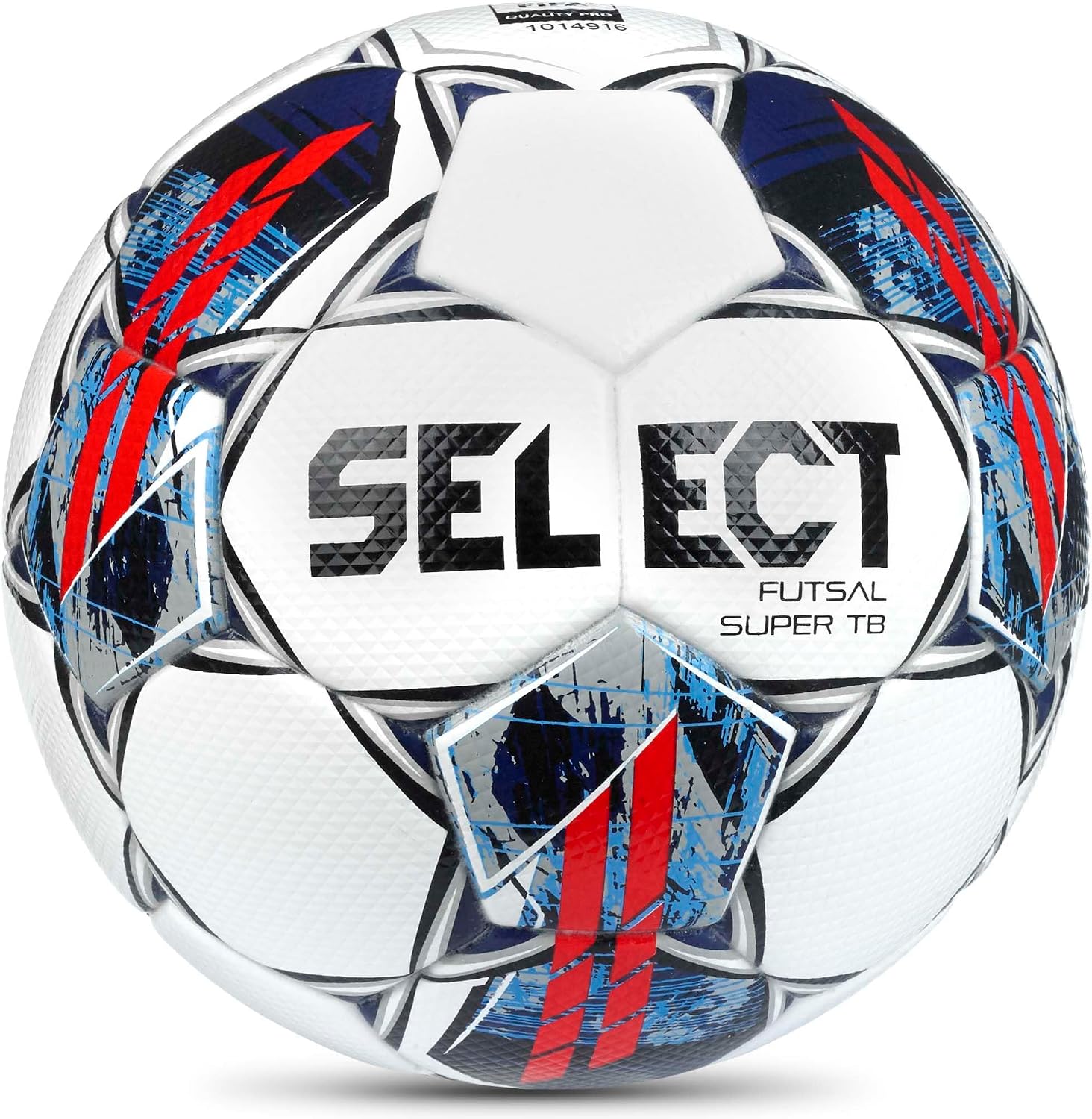
9. SELECT Futsal Super TB
Futsal is different from outdoor soccer, so a standard outdoor Size 5 ball is not automatically the right choice. The SELECT Futsal Super TB uses a 32-panel thermally bonded construction, low-bounce characteristics, and FIFA Quality Pro certification; SELECT lists its circumference at 62.5–63.5 cm and weight at 410–430 g.
best soccer ball for futsal
SELECT Futsal Super TB V22 Futsal Ball, White/Red/Blue, Senior/4
10. A Quality Training Ball
For frequent practice, a dedicated training ball can be a better practical choice than repeatedly using an expensive professional match ball.
best dedicated training soccer ball
A Quality affordable soccer ball for daily training needs
SELECT, for example, separates its range into professional, club, training, camp, special, and turf categories. Training balls are positioned for economical practice use, while professional balls are designed for top-level matches.
Soccer Ball Sizes: Which Size Should You Buy?
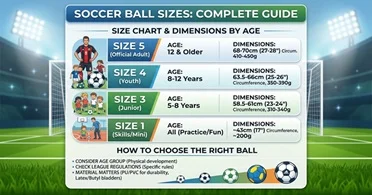
Soccer balls are commonly available in Size 3, Size 4, and Size 5.
| Ball size | Typical circumference | Typical weight | Common use |
| Size 3 | 60–62 cm | 320–340 g | Young children and introductory play |
| Size 4 | 63.5–66 cm | 350–390 g | Youth soccer |
| Size 5 | 68–70 cm | 410–450 g | Older youth, adults and standard soccer |
These ranges are consistent with the specifications published by SELECT, while the Laws of the Game specify 68–70 cm and 410–450 g for the standard match ball.
Is There a Size 6 Soccer Ball?
A Size 6 ball is not a standard size in ordinary association-football competition. Standard outdoor soccer generally uses Size 5 for older players, while smaller sizes are used for youth and development.
Is There a Size 7 or Size 8 Soccer Ball?
There is no standard Size 7 or Size 8 association-football match ball corresponding to the normal Size 3–5 system.
If you encounter unusual numbered balls, check what sport, training activity, or manufacturer specification the number refers to rather than assuming it follows the standard soccer sizing system.
What Size Soccer Ball Is Best for Adults?
For standard outdoor soccer, Size 5 is the normal choice for adults.
The Laws of the Game specify a circumference of 68–70 cm and a starting-match weight of 410–450 g for the standard ball.
That does not mean every adult recreational activity requires a match-certified ball. If you are simply practicing in a yard, park, or casual setting, a less expensive Size 5 training or recreational ball may be sufficient.
What Size Soccer Ball Is Best for Youth Players?
The correct youth size depends on the player’s age and the rules of the league or program.
A simplified guide is:
| Player group | Common ball choice |
| Young children | Size 3 |
| Youth players | Size 4 |
| Older youth | Size 5 |
| Adults | Size 5 |
However, league rules should take priority over a generic age chart. Youth competitions can specify their own ball requirements.
For example, the important distinction is not simply “young = small ball.” A player’s competition, age division, and governing organization can determine the required equipment.
For more detail, see our guide to soccer ball sizes.
Soccer Ball Weight
Weight affects how the ball feels during passing, shooting, dribbling, and receiving.
For a standard match Size 5 ball, the Laws of the Game specify 410–450 g at the start of the match.
A ball that is unusually light or heavy for its intended category may behave differently from a regulation match ball.
SELECT’s published size chart gives the following normal ranges:
- Size 3: 320–340 g
- Size 4: 350–390 g
- Size 5: 410–450 g
For competitive play, always follow the competition’s equipment specifications.
Read more in our guide to soccer ball weight.
Soccer Ball Circumference, Diameter, and Size
Soccer balls are normally specified by circumference, rather than by diameter.
A regulation Size 5 ball has a circumference of 68–70 cm (27–28 inches).
If you want an approximate mathematical diameter, circumference can be divided by π:
Diameter ≈ circumference ÷ 3.1416
For a 68–70 cm circumference, that works out to approximately 21.6–22.3 cm.
The actual shape of a manufactured ball is not a perfect mathematical sphere, so circumference is the more useful specification when comparing soccer balls.
Soccer Ball Pressure
The Laws of the Game specify a pressure of 0.6–1.1 atmosphere at sea level, equivalent to approximately 8.5–15.6 psi, for a standard match ball.
However, the correct inflation pressure for a particular ball can depend on its design and manufacturer instructions.
For everyday use, check the inflation guidance printed on the ball or supplied by its manufacturer rather than assuming every soccer ball should be inflated to exactly the same pressure.
A ball that is significantly overinflated or underinflated can feel and behave differently.
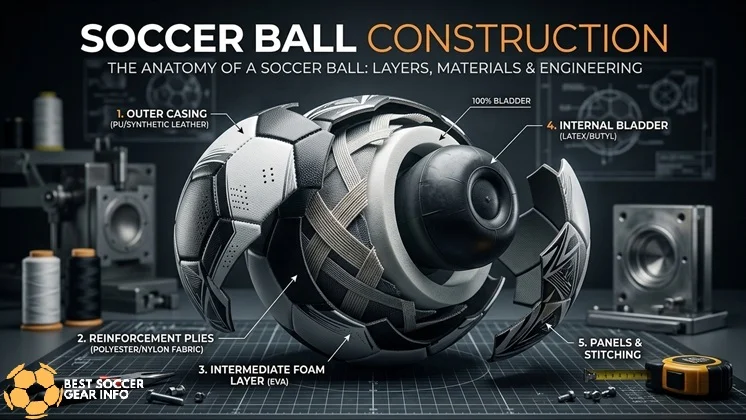
What Is a Soccer Ball Made Of?
Modern soccer balls generally use several layers rather than a single piece of material.
The main components include:
Outer cover
The cover is the layer that players contact when kicking, passing, trapping, and dribbling.
Modern soccer balls commonly use synthetic materials such as polyurethane (PU) or related synthetic constructions.
Backing layers
Backing layers sit underneath the outer cover and help determine the ball’s structure, firmness, and feel.
Panels
The outer shell is constructed from panels. Panel number and geometry vary between ball designs.
A professional SELECT Brillant Super, for example, uses 32 hand-stitched panels, while adidas’ current TRIONDA uses a four-panel construction.
Bladder
The bladder is the inflatable inner component that holds the air.
Different balls use different bladder materials and designs. The bladder can influence air retention, rebound, and feel.
Does Panel Count Matter?
Panel count matters, but more panels does not automatically mean a better soccer ball.
What matters is how the complete construction works.
A ball’s:
- panel geometry
- seams
- bonding or stitching
- cover
- backing
- bladder
- surface texture
all contribute to its playing characteristics.
For example, SELECT’s professional Brillant Super uses 32 hand-stitched panels, while the adidas TRIONDA uses a four-panel construction. Both approaches can be used in high-level soccer equipment.
Therefore, don’t choose a ball solely because it has more or fewer panels.
Hand-Stitched vs. Thermally Bonded Soccer Balls
Two common construction approaches are hand stitching and thermal bonding.
Hand-stitched
Hand-stitched balls use thread to join panels.
Advantages can include:
- Traditional construction
- Strong panel connections
- Professional match-ball applications
- Distinctive feel
SELECT’s Brillant Super, for example, uses hand-stitched panels.
Thermally bonded
Thermally bonded balls connect panels using heat rather than conventional stitching.
The adidas Trionda Finals Pro uses a thermally bonded, seamless construction. adidas says this construction supports a uniform surface, predictable trajectory, and reduced water absorption.
Neither construction should be judged in isolation. The overall ball specification matters more than the stitching method alone.
For a deeper explanation, see soccer ball construction.
PU vs. PVC Soccer Ball Covers
The outer material influences the ball’s feel and durability.
PU
Polyurethane is widely used in higher-quality soccer balls. It can provide a softer and more refined touch than many inexpensive PVC balls.
PVC
PVC is commonly found in lower-cost recreational balls and some licensed or casual-use products.
For example, current U.S. Soccer Store products include Size 5 balls made from 100% PVC.
That does not mean PVC automatically makes a ball bad. The intended use matters.
A casual park ball does not need the same construction as a professional match ball.
Learn more about soccer ball materials.
What Makes a Soccer Ball Durable?
Durability depends on more than the brand name.
Consider:
- Playing surface
- Cover material
- Panel construction
- Seam construction
- Bladder
- Frequency of use
- Weather conditions
- Inflation and storage
A ball used mainly on natural grass experiences different conditions from one repeatedly kicked against concrete or artificial turf.
If durability is your priority, choose a ball specifically designed for your playing surface rather than using a premium match ball everywhere.
For artificial grass, for example, SELECT specifically markets its Numero 10 Turf Match for turf use.
Best Soccer Ball for Turf
If you play mostly on artificial grass, look for a ball designed or approved for turf use.
A turf-oriented ball can be a more practical choice for frequent artificial-surface use than a premium tournament ball intended primarily for high-level match play.
The SELECT Numero 10 Turf Match is specifically described by the manufacturer as suitable for artificial grass and uses a durable, hand-stitched construction.
Best Soccer Ball for Training
For training, prioritize:
- Durability
- Consistent shape
- Reliable air retention
- Appropriate size
- Reasonable price
- Compatibility with your playing surface
You generally don’t need to spend professional-match-ball money on every practice ball.
SELECT separates its products into professional, club, training, camp, and turf categories, illustrating why the intended use should influence the purchase.
A good training ball can actually be the more practical choice for frequent practice.
Best Soccer Ball for Professional or Competitive Play
For serious competitive play, look for the competition’s required approval.
FIFA Quality Pro is the highest FIFA quality designation for footballs. FIFA says its testing program evaluates weight, circumference, roundness, bounce, water absorption, pressure loss, and shape and size retention.
But FIFA certification does not automatically mean that every FIFA Quality Pro ball is appropriate for every competition. Your league may specify:
- Brand
- Size
- Certification
- Competition model
- Surface
- Other equipment requirements
Check the competition rules before purchasing.
FIFA Quality Pro vs. FIFA Quality vs. FIFA Basic
These marks help distinguish tested footballs.
| Mark | General meaning |
| FIFA Quality Pro | Highest FIFA football quality level |
| FIFA Quality | FIFA-tested quality level below Pro |
| FIFA Basic | Minimum FIFA quality category |
FIFA states that its quality marks indicate footballs that have passed specific testing requirements, with FIFA Quality Pro subject to more demanding conditions.
The mark is therefore more useful than simply seeing words such as “professional” or “premium” printed in a product description.
What Soccer Ball Should You Buy?
Use this quick decision guide.
| If you… | Consider |
| Play adult outdoor soccer | Size 5 |
| Play competitive matches | Required league-approved ball |
| Want professional-level performance | FIFA Quality Pro |
| Practice several times a week | Quality training ball |
| Mostly play on artificial grass | Turf-specific ball |
| Play futsal | Futsal-specific ball |
| Buy for a young child | Size 3 or Size 4 according to league |
| Want an everyday recreational ball | Durable Size 5 |
| Want an official tournament ball | Current official match/replica options |
| Need several balls for a team | Club/training packs |
What Should I Look for in a Durable Soccer Ball?
If durability is your main concern, don’t focus only on the product’s price.
Look at:
1. Playing surface
A ball designed for natural grass may not be the ideal choice for repeated use on rough artificial or hard surfaces.
2. Cover material
Synthetic covers are common in modern soccer balls. Check the manufacturer’s specifications instead of assuming that every synthetic cover has the same characteristics.
3. Construction
Hand-stitched, machine-stitched, and thermally bonded constructions can all have different characteristics.
4. Bladder
The bladder influences air retention and feel.
5. Certification
FIFA or league approval can provide useful information about testing and intended quality level.
6. Maintenance
Keeping the ball correctly inflated, clean, and stored appropriately can help preserve its condition.
Match Ball vs. Training Ball
A match ball and training ball serve different purposes.
| Feature | Match ball | Training ball |
| Main purpose | Competition | Practice |
| Price | Usually higher | Usually lower |
| Construction | Performance-focused | Durability/value-focused |
| Certification | Often required | Depends on model |
| Frequent rough use | Not always ideal | Often more practical |
| Professional match | Yes, when approved | Not necessarily |
A professional match ball can be an excellent choice for matches without being the most economical choice for daily training.
Official Match Ball vs. Replica
An official match ball and a replica are not necessarily the same product.
The official match version is generally designed around the competition’s performance specifications. A replica may reproduce the tournament’s graphics while using a different construction and price point.
The 2026 FIFA World Cup is a good example: adidas sells different TRIONDA products, while FIFA identifies TRIONDA as the official World Cup match ball.
If you want the professional playing characteristics, read the actual specifications rather than buying solely because a ball carries a tournament logo.
Is an Expensive Soccer Ball Better?
Not necessarily.
Price can reflect:
- Professional certification
- Construction
- Materials
- Tournament licensing
- Technology
- Brand
- Design
- Manufacturing method
But the most expensive ball may be unnecessary for casual play.
For example, a player practicing several times per week on artificial grass may get more practical value from a durable turf-oriented ball than from an expensive professional match ball.
The correct question is not simply “What is the most expensive soccer ball?”
It is:
“Which ball provides the characteristics I actually need for the way I play?”
Common Soccer Ball Buying Mistakes
Buying the wrong size
A Size 5 ball is not automatically correct for every child or youth competition.
Choosing based only on brand
A famous brand can make different balls for professional matches, training, recreational play, and youth soccer.
Ignoring the playing surface
A ball used on artificial grass can experience different wear from one used on natural grass.
Assuming more panels means better quality
Panel count alone does not determine performance.
Buying a professional match ball for every practice
A high-end match ball can be unnecessary for routine training.
Ignoring certification requirements
If you play organized competition, check the rules before buying.
Treating “official” and “replica” as identical
A licensed replica can look similar to a match ball while having different construction.
Frequently Asked Questions
There is no single best soccer ball for every player. The appropriate choice depends on size, playing surface, competition level, construction, budget, and intended use.
For standard adult outdoor soccer, start by looking at Size 5 balls and then choose the quality level appropriate for your use.
There is no universal best brand. adidas, Nike, SELECT, and other manufacturers produce different soccer balls for professional matches, club play, training, youth soccer, turf, futsal, and recreational use.
Compare the individual ball rather than the brand alone.
A good-value soccer ball is one that provides the required size, construction, durability, and performance without paying for specifications you do not need.
For frequent training, a quality training or club ball can make more sense than a premium professional match ball.
For beginners, prioritize the correct size, manageable price, durability, and the playing surface.
A beginner does not necessarily need a professional FIFA Quality Pro match ball
The answer depends on the player’s age division and league rules. Youth soccer commonly uses smaller balls than adult soccer, with Size 3 and Size 4 frequently used in youth development.
Always check the competition’s requirements.
Durability depends heavily on how and where the ball is used. A ball designed specifically for turf or training can be more suitable for repeated practice than a premium match ball.
Look for a professional match ball carrying the appropriate certification, particularly FIFA Quality Pro when that level is required or desired.
Current examples include the adidas TRIONDA and SELECT professional match balls.
Street soccer requires a ball appropriate for the surface. If the playing surface is significantly harder or rougher than a normal grass pitch, prioritize durability and check the manufacturer’s intended-use information.
A premium grass-match ball is not automatically the best option for hard-surface play.
Look for a ball specifically designed or approved for artificial grass. SELECT’s Numero 10 Turf Match is one example of a soccer ball marketed specifically for turf surfaces.
Prices vary substantially according to construction, certification, brand, and intended use. Current examples range from relatively inexpensive academy and recreational balls to professional match balls costing substantially more.
Look for consistent shape, appropriate weight, reliable air retention, suitable cover material, good construction, predictable flight, and appropriate certification.
A soccer ball should be inflated according to the manufacturer’s instructions and the requirements of the competition. For a standard match ball, the Laws of the Game specify 0.6–1.1 atmosphere at sea level (8.5–15.6 psi).
Yes. Size 5 is commonly used for older youth and adult soccer, and it can be used for training when that size matches the player’s competition and development needs.
For players who need or want professional-level match specifications, FIFA Quality Pro provides meaningful information because the designation represents a ball that has passed FIFA’s highest football quality testing level.
For casual play, however, the additional cost may not be necessary.
Final Buying Guide
The best soccer ball is the one that matches your game.
For most adult outdoor players, start with Size 5. If you play organized competition, check the league’s required specifications. If you want professional-level performance, look for FIFA Quality Pro. For regular practice, consider a durable training ball. If you play mainly on artificial grass, consider a turf-specific model. And if you play futsal, choose a proper futsal ball rather than a standard outdoor ball.
The most important factors are size, construction, material, bladder, playing surface, certification, durability, and intended use.
Instead of asking which soccer ball is universally the best, identify what you need the ball to do—and then choose the model that matches those requirements.