Most soccer players do not wear athletic cups during regular matches, although some players choose to wear them for extra protection. Cups are not part of the required soccer uniform, and the official Laws of the Game do not mandate them.
Do soccer players wear cups?
Yes, some soccer players wear cups, but it is not standard equipment for everyone. The choice depends on the player’s position, personal preference, age, and the rules of their league or team.
An athletic cup, also called a protective cup or nut cup, is a piece of protective equipment designed to shield the groin from impact. It is different from a jockstrap, which is a supportive garment that can hold a cup in place.
For most outfield soccer players, the usual protective gear is shin guards. Goalkeepers also wear gloves and may use other permitted protective equipment. A cup is optional under the standard international soccer rules, not a compulsory item.
Why don’t soccer players wear cups?
Soccer is a contact sport, but players need to run, turn, kick, and move freely. Many players prefer not to wear a cup because they find it uncomfortable or unnecessary for their position and style of play.
The main reasons include:
- Mobility: Soccer involves continuous running, quick changes of direction, and kicking.
- Comfort: A rigid cup can feel restrictive if it does not fit properly.
- Personal preference: Some players want protection, while others prefer their usual soccer shorts and underwear.
- Different risks: A goalkeeper and an outfield player may experience different types of contact, although either can choose protective equipment.
A cup can provide an additional layer of protection against a direct impact, but it cannot prevent every type of groin injury. Players should choose equipment that fits properly and does not interfere with movement.
What do soccer players wear to protect their balls?
Male soccer players who want additional groin protection can use an athletic cup. Other players rely on regular athletic underwear or compression shorts without a cup.
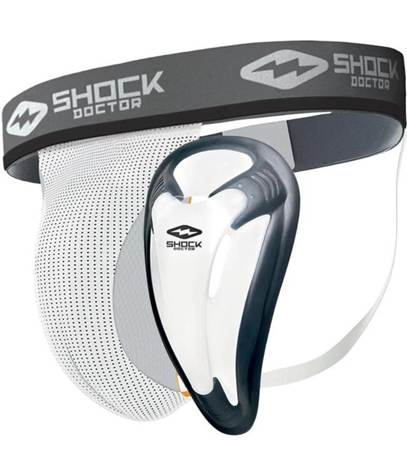
Athletic cup
A protective shell designed to cover the groin and reduce the impact of a direct blow. It may be worn with a compatible support garment.
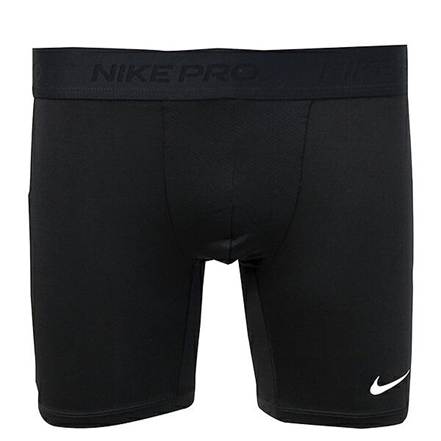
Compression shorts
Close-fitting athletic underwear that provides support and helps keep clothing in place. Ordinary compression shorts do not provide the same impact protection as a cup.
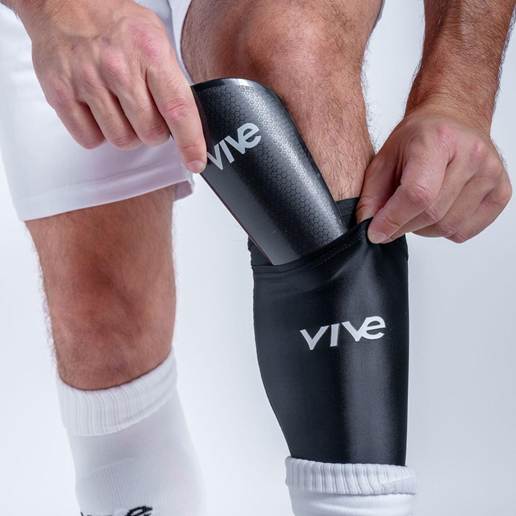
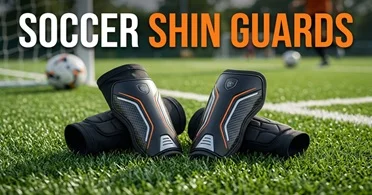
Shin guards
The required protective equipment for the lower legs in standard soccer. They protect the shins from contact and must be made of suitable material and covered by socks.
Do soccer players wear jockstraps?
Some players wear jockstraps, but not every soccer player needs one. A jockstrap is a supportive garment that can hold an athletic cup in position. A jockstrap by itself is not an impact-protective cup.
The terms are sometimes confused:
| Equipment | Main purpose |
| Athletic cup | Protects the groin from direct impact. |
| Jockstrap | Supports and holds a cup in place. |
| Compression shorts | Provides athletic support and keeps clothing secure. |
| Shin guards | Protects the shins from contact. |
A player who uses a cup should follow the equipment manufacturer’s fit and care instructions. The support garment should hold the cup securely without causing discomfort or restricting movement.
Do professional soccer players wear cups?
Some professional players may wear protective cups, but there is no universal requirement that all professional soccer players do so. Public information about an individual player’s equipment is not a reliable way to establish what every professional wears.
The official international rules specify compulsory equipment, including shin guards, but do not list athletic cups as compulsory equipment.
Do FIFA soccer players wear cups?
FIFA soccer players may use permitted protective equipment, but a cup is not required by the standard Laws of the Game. FIFA’s international competitions follow the Laws of the Game, with competition-specific regulations where applicable.
Do soccer players wear cups in the World Cup?
The World Cup does not require every player to wear a cup. A player may use a cup if it is permitted by the applicable equipment rules and does not create a safety concern. A referee can require dangerous or unauthorized equipment to be removed.
Do soccer goalies wear cups?
Soccer goalkeepers may wear cups, but they are not required to do so under the standard Laws of the Game.
Goalkeepers face shots at close range and collisions around the goal, so some may choose additional protective equipment. However, a goalkeeper’s position alone does not establish whether they wear a cup. Goalkeepers may wear gloves and other permitted protective equipment, while the cup remains optional.
Do youth soccer players wear cups?
Some youth soccer players wear athletic cups, while others do not. The choice can depend on the player’s age, comfort, playing position, and the equipment rules of their team or league.
Parents and coaches should check the applicable youth soccer rules before purchasing protective equipment. A cup should be comfortable, properly fitted, and suitable for the player’s activity. It should not be forced on a child who finds it uncomfortable.
Do high school soccer players wear cups?
High school soccer players may wear cups, but a cup is not a universal requirement of the standard soccer Laws of the Game. School athletic associations and local competitions may have their own equipment policies, so players should follow their school’s rules.
For American high school soccer, the relevant regulations may come from the school, state athletic association, or competition organizer. A player should check those rules rather than assuming that football equipment requirements apply to soccer.
Do football players wear cups?
In American football, some players wear athletic cups for groin protection, but not all players do. American football and soccer have different equipment traditions and playing conditions.
| Sport | Typical protective equipment |
| Soccer | Shin guards, with optional protective equipment such as gloves or padded gear. |
| American football | Helmets, shoulder pads, and other protective equipment required by the relevant rules. Some players also use athletic cups. |
The word “football” can mean American football or soccer depending on the country. When someone asks whether football players wear cups, it is important to clarify which sport they mean.
Are cups allowed in soccer?
Yes. A protective cup can be worn in soccer if it is not dangerous and is permitted by the relevant competition rules. Under IFAB Law 4, non-dangerous protective equipment is allowed, and referees inspect equipment for safety. The law does not specifically list athletic cups, so players should confirm their league’s requirements.
How to choose protective soccer gear
If you are considering a cup for soccer, the important factors are fit, comfort, and compatibility with your playing activity.
- Check the fit
The cup should sit securely and comfortably. A poorly fitting cup may move during play or cause discomfort.
- Consider movement
Soccer requires running, kicking, and changes of direction. Protective equipment should not interfere with these movements.
- Check the rules
Ask your coach or league organizer whether the equipment is allowed. The referee can require dangerous or unauthorized equipment to be removed.
Frequently asked questions
There is no reliable universal statistic showing how many soccer players wear cups. It is optional, and many players choose not to wear one.
Some male soccer players wear cups for additional groin protection. Others do not. It is not compulsory under the standard Laws of the Game.
Yes, some do. An athletic cup is designed to reduce the impact of a direct blow to the groin. It is optional and does not eliminate all injury risks.
A jockstrap is a support garment, while a cup is the protective shell. Some players use both; others use neither. They are not interchangeable.
Soccer players discuss their personal equipment preferences on Reddit, but individual posts are anecdotal and cannot establish what most players wear. A discussion about a cup or jockstrap does not prove that the equipment is required or standard across soccer.
Some do, but athletic cups are not part of the standard compulsory soccer uniform.
Yes, “nut cup” is another informal term for an athletic cup. Some players use them for groin protection.
Yes. Under IFAB Law 4, shin guards are compulsory equipment for players, and they must be made of suitable material, provide reasonable protection, and be covered by socks.
Some players wear sports bras or GPS-tracking vests under their jerseys. These are different from athletic cups and are not designed to protect the groin.
Conclusion
Soccer players do not all wear cups. Some choose athletic cups for additional groin protection, while others play without them. The standard compulsory equipment includes shin guards, not cups. Whether a player should wear one depends on comfort, fit, personal preference, and the rules of their team or league.