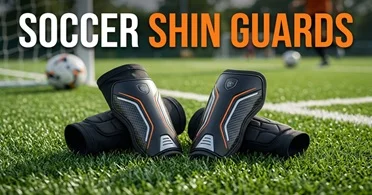
Soccer shin guards protect the front of your lower legs from impacts during soccer. They are required equipment in association football, and the right pair should fit securely, cover the shin properly, and feel comfortable enough to wear throughout a game.

This guide explains how soccer shin guards work, which size to choose for different ages, how to wear them with soccer socks, and what to look for when buying a pair for practice or matches.
Are soccer shin guards required?
Yes. Under Law 4 of the International Football Association Board (IFAB), shin guards are compulsory for players in association football. They must be made of suitable material, be an appropriate size to provide reasonable protection, and be covered by the socks. Players are responsible for choosing shin guards that are the right size and suitable for them.
The rule applies to professional matches as well as ordinary association-football games governed by the Laws of the Game. Youth leagues and school competitions may also have their own equipment requirements, so check your competition’s rules.
What are soccer shin guards?
6
Soccer shin guards, also called shin pads or shinguards, are protective pieces worn over the front of the lower leg. They sit between the shin and the soccer sock, helping protect the area from accidental kicks, tackles, and contact with the ball.
A typical shin guard contains:
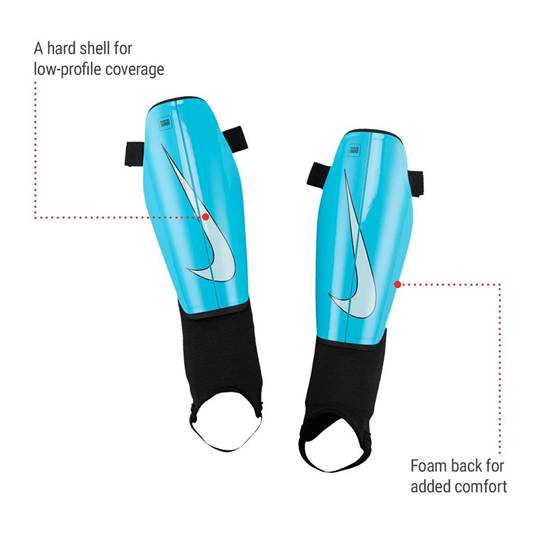
- Protective shell: A hard or semi-rigid outer layer that spreads impact across a wider area.
- Cushioning: Foam or another soft lining that improves comfort and helps absorb some impact.
- Straps or sleeves: Depending on the design, these hold the guard in position.
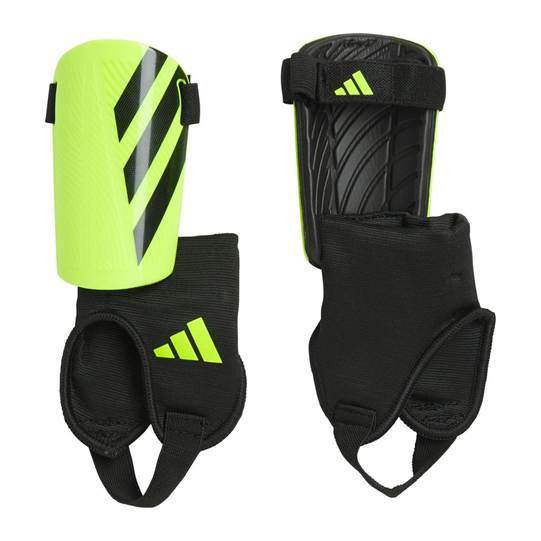
- Ankle protection: Optional extensions that protect more of the lower leg and ankle area.
Shin guards are not a substitute for safe play, proper technique, or medical treatment after an injury. Their purpose is to reduce the effect of impacts, not guarantee that a player will avoid injury.
Types of soccer shin guards
- Slip-in shin guards
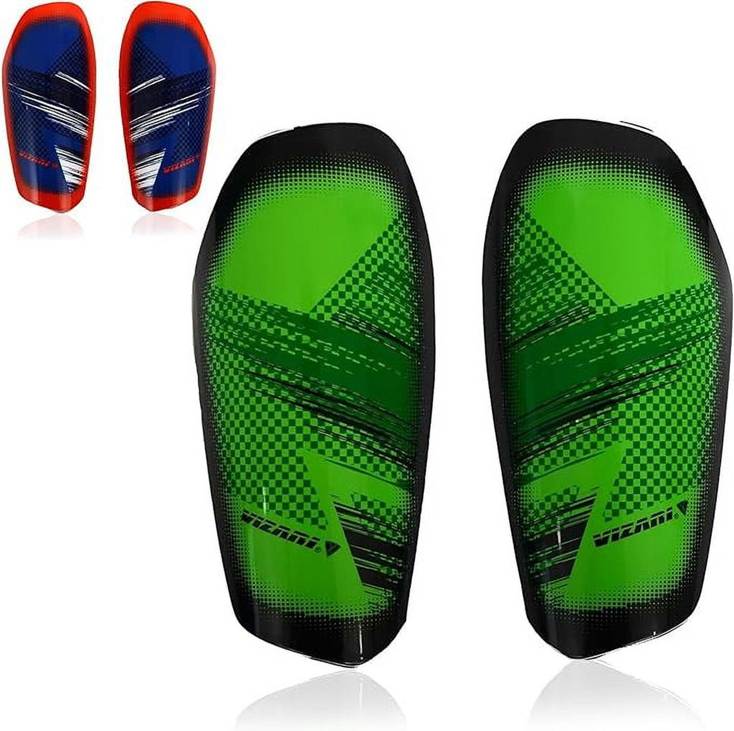
Lightweight guards that slide inside the soccer sock. They are popular with players who want minimal bulk and freedom of movement. A separate compression sleeve can help keep them in place.
- Shin guards with ankle protection
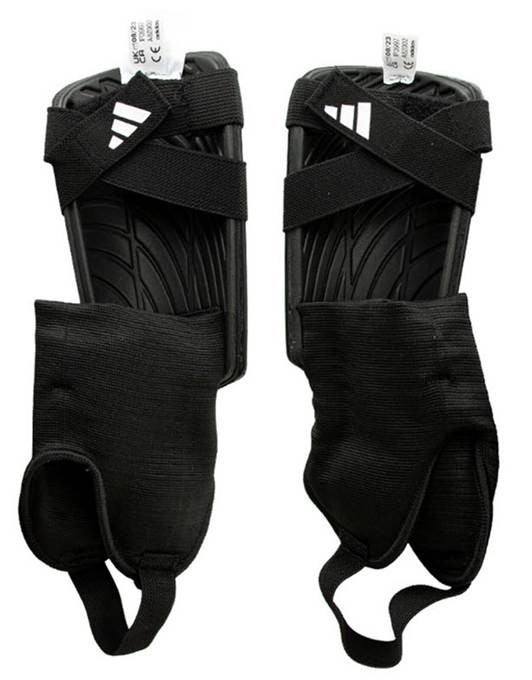
These include additional padding around the ankle and sometimes a stirrup or strap beneath the foot. They can be useful for younger players who want more coverage.
- Strap-on shin guards
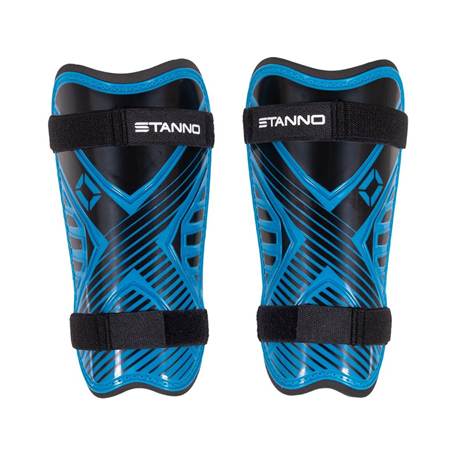
Guards with attached straps or fastening systems. They are easy to put on and adjust, and they may be a practical choice for beginners or players who find slip-in guards move around.
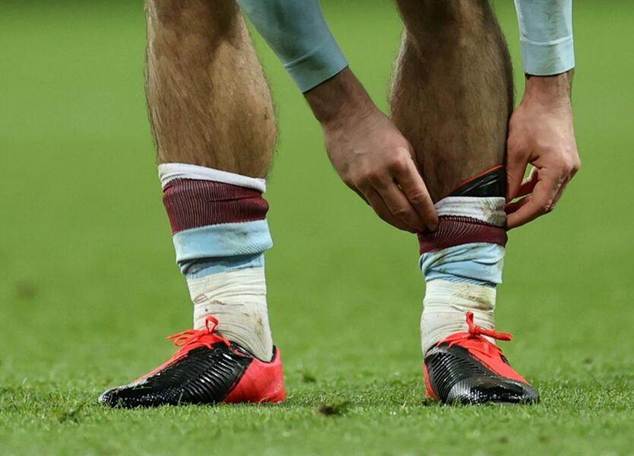
- Lightweight professional-style guards
Compact, low-profile designs that prioritize comfort and reduced bulk. They are available for adults and youth players; the word “professional” does not guarantee better protection.
What size soccer shin guards do I need?
The best size depends on your lower-leg length, the guard’s dimensions, and how well it covers your shin. Age and height are useful starting points, but they are not universal sizing standards. Follow the manufacturer’s sizing chart before buying.
Soccer shin guard size chart by age
The following is a general starting guide for shopping. It is not a universal industry size chart, and children of the same age may need different sizes.
| Player age | Common starting size | What to check |
| 3–4 years | Toddler or XXS | Small enough for the child’s shin; no loose edges |
| 5–7 years | XXS or XS | Coverage, comfort, and secure fit |
| 8–10 years | XS or S | Compare leg length with the brand chart |
| 11–13 years | S or M | Shin coverage and whether the guard moves |
| 14–17 years | M or L | Manufacturer’s measurements and leg length |
| Adults | M, L, or XL | Choose based on lower-leg measurements |
These size ranges are approximate. Some brands use youth sizes, numeric sizes, or height-based charts, and a size S in one brand may not fit like a size S in another.
Soccer shin guards for 3-year-olds
For a 3-year-old, look for toddler or extra-small shin guards designed for young players. They should be lightweight, comfortable, and small enough to sit securely on the lower leg without restricting movement.
Avoid buying adult shin guards and assuming that a child will grow into them. Oversized guards may move around and leave areas of the shin less protected.
Soccer shin guards for 4-year-olds
A 4-year-old will often need a toddler or extra-small model, but measure the child’s lower leg and check the specific manufacturer’s chart. A guard should sit comfortably against the shin, not slide down during running, and not press painfully against the ankle or knee.
Youth soccer shin guards
Youth soccer shin guards are designed for children and teenagers. The main differences between youth and adult models are usually size, coverage, weight, and fit. Choose the smallest size that provides suitable protection without being too tight or too short.
Soccer shin guards for adults
Adult soccer shin guards come in a range of sizes and shapes. Adults with longer shins may need a larger model, while players with smaller lower legs may be more comfortable in a compact guard. Do not select a size only because it is labeled “adult.”
How should soccer shin guards fit?
A properly fitted shin guard should cover the front of the shin, remain in position while running, and feel comfortable inside the soccer sock. It should not pinch, cause numbness, or interfere with normal movement.
Use these fit checks:
- The guard sits over the shin bone, not to one side.
- The top and bottom edges do not press painfully into the knee or ankle.
- The guard stays in place during jogging, turning, and kicking.
- The sock can cover the entire guard as required by the Laws of the Game.
- The player can bend the knee and move the ankle normally.
If a guard slides down, try a different size or a compatible sleeve. If it feels too tight, causes discomfort, or restricts movement, try another model.
How to wear soccer shin guards
6
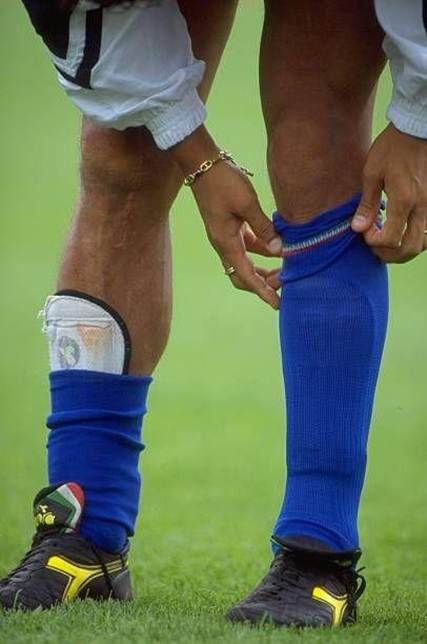
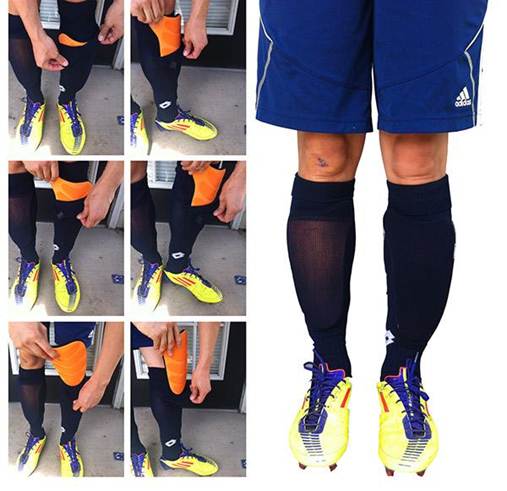
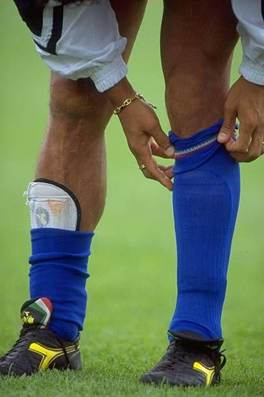
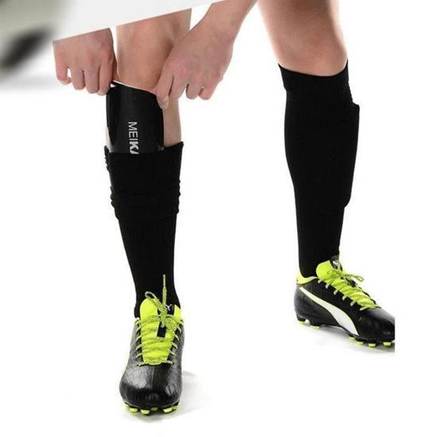
The usual order is shin guard first, then soccer sock over it. The guard should be fully covered by the sock for a match under the Laws of the Game.
How to put on soccer shin guards
- Prepare your gear.
Have your soccer cleats, shin guards, and long soccer socks ready. Make sure the guards are clean and the straps or sleeves are in good condition.
- Position the shin guard.
Place it against the front of your lower leg, with the protective shell facing outward and the padded side against your shin.
- Secure the guard.
If it has straps, fasten them comfortably. If it is a slip-in model, place it inside the sock or use the manufacturer’s recommended sleeve.
- Pull the sock over the guard.
Carefully pull the soccer sock up so it covers the entire shin guard. Smooth out folds that may rub against your skin.
- Check the fit.
Walk, jog, and bend your knees. If the guard moves excessively or causes discomfort, adjust it or try another size.
Do soccer shin guards go under or over socks?
Soccer shin guards go under the socks in regular association football. The sock must cover the shin guard completely. Wearing the guard on top of the sock does not meet the standard Law 4 equipment requirement.
Do soccer socks go over shin guards?
Yes. Put the shin guards on your lower legs first, then pull the soccer socks over them. This keeps the guards covered and helps hold them in place.
Soccer socks with shin guards
Long soccer socks are designed to cover the shin guards. Some players use compression sleeves underneath the guards or over them, depending on the design. If you use an additional sleeve or tape, make sure the guard remains secure and the sock still fully covers it.
Soccer cleats and shin guards
Shin guards and cleats are both part of a player’s regular soccer equipment. Put on your shin guards and socks before putting on cleats, then check that the guards do not shift when you walk or run. Cleats do not replace shin guards.
How soccer shin guards work
A shin guard helps protect the front of the lower leg by distributing the force of an impact across its protective shell. The padding adds comfort and helps reduce pressure from the shell against the skin.
Conceptual view of a shin guard’s protective shell, cushioning, and shin contact area.
The guard works best when it is correctly positioned and stays in place. A loose guard may shift away from the impact area, while an uncomfortable guard may cause a player to adjust it repeatedly.
Materials used in soccer shin guards
| Material | Typical purpose |
| Polypropylene or other plastics | Lightweight protective shell |
| Polyurethane | Protective shell or flexible components |
| EVA foam | Cushioning and comfort |
| Polyester or nylon | Sleeves, straps, and fabric components |
The specific materials and construction vary by product. A shell made from one material is not automatically safer than another; the overall design, coverage, fit, and construction matter.
How to choose soccer shin guards
When comparing shin guards, consider the following attributes.
Protection and coverage
Choose a model that covers the front of the shin and provides reasonable protection for your level of play. Extra ankle protection is optional, but can be useful for some younger players.
Size and fit
Follow the manufacturer’s sizing chart. The guard should stay in position without painful pressure or excessive movement.
Weight and comfort
Lightweight guards may feel less bulky, while larger guards can provide more coverage. Pick a comfortable balance rather than choosing solely by weight.
Playing environment
Consider whether the guards are for outdoor soccer, indoor soccer, futsal, practice, or matches. The competition’s equipment rules take priority.
Best soccer shin guards for different players
“Best” depends on the player’s needs rather than a single universal model.
| Player or need | Features to look for |
| Young children | Small size, secure fit, comfortable padding |
| Youth players | Appropriate coverage, easy to wear, lightweight construction |
| Adult players | Correct size, stable fit, suitable protection |
| Players who want ankle protection | Integrated ankle guards and comfortable straps |
| Players who prefer minimal bulk | Compact slip-in guards with a secure sleeve |
| Training and practice | Comfortable, durable design |
| Professional-style preferences | Lightweight, low-profile construction and reliable fit |
Nike soccer shin guards
Nike makes several soccer shin guard designs, including the Nike Charge, Nike Mercurial Lite, and Nike J Guard. These models have different constructions and sizing, so compare the specific product’s specifications rather than assuming all Nike shin guards fit the same.
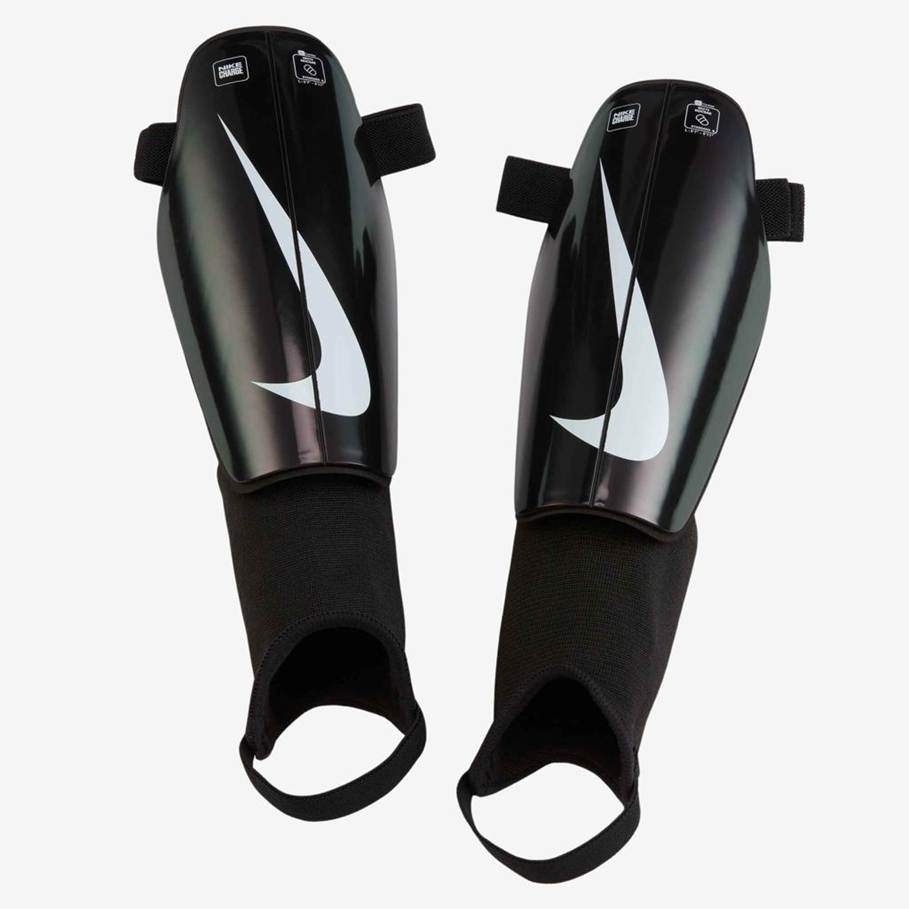
Nike Charge
A Nike shin guard line with models for different player sizes. Check the exact model’s construction and sizing chart.
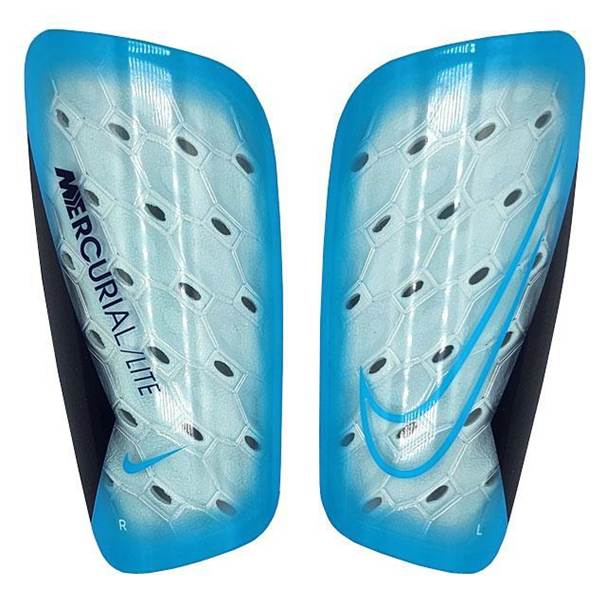
Nike Mercurial Lite
A lightweight-style soccer shin guard line. Compare its fit, shell, and sleeve or strap system with other models.
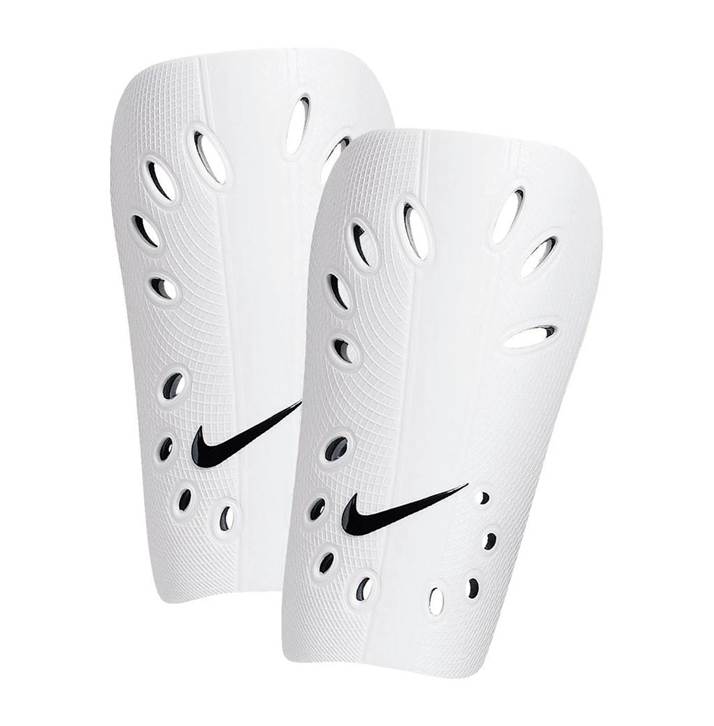
Nike J Guard
A compact soccer shin guard design. Confirm the model’s current availability and sizing before purchasing.
How to clean soccer shin guards
Clean shin guards after use to remove sweat and dirt. The following routine works for many models, but always follow the care instructions supplied with your specific product.
- Remove the guards from the socks and sleeves.
- Wipe the shell and padding with a damp cloth and mild soap.
- Rinse away soap residue if the manufacturer’s instructions allow it.
- Let the guards air-dry completely before storing them.
- Inspect for cracks, damaged straps, loose padding, or other signs of wear.
Avoid harsh cleaning chemicals, excessive heat, and machine washing unless the product instructions specifically permit them. Replace a guard if it has damage that could affect its protective function.
Common mistakes and misconceptions
Do professional soccer players wear shin guards?
Yes. Professional soccer players wear shin guards, and the Laws of the Game require them. Some professionals choose compact, lightweight designs, but that does not mean shin guards are optional.
Do soccer players not wear shin guards anymore?
Professional players still wear shin guards. The perception that players no longer wear them may come from small guards, close-fitting socks, or footage where the guard is not visible. The equipment rule remains in place.
Are soccer shin guards required in professional soccer?
Yes. Under the IFAB Laws of the Game, shin guards are compulsory equipment for association football players, including professional matches governed by those laws.
Are soccer shin guards required for practice?
It depends on the practice setting and the coach or league’s rules. For organized soccer, wearing shin guards during practice is a sensible safety practice because players may experience the same types of contact as in matches.
Can I wear shin guards without soccer socks?
For an ordinary match under the Laws of the Game, no. The shin guards must be covered by the socks. During informal practice, follow the coach’s equipment requirements.
Do shin guards need ankle protection?
No. Ankle protection is not required by the IFAB rule. It is an optional design feature that some players prefer for extra coverage around the ankle.
Are small soccer shin guards suitable for adults?
They can be, if the size is appropriate for the player’s lower leg and provides reasonable protection. Adult players should not select a small guard solely because it is lightweight or compact.
Can I wear soccer shin guards over compression sleeves?
Some players wear compression sleeves under their shin guards to improve comfort and hold slip-in guards in place. Others use sleeves designed to fit over the guard. The important requirements are secure positioning and full coverage by the soccer sock for a match.
Frequently asked questions
They should cover the front of the shin and sit comfortably below the knee without painful pressure or restricting movement. The exact height depends on the player’s leg and the guard’s design.
Compare coverage, fit, comfort, construction, secure positioning, and the rules of your competition. Select a model that is suitable for your age and playing needs.
They go under the soccer socks. The socks must cover the shin guards completely in matches governed by the Laws of the Game.
Choose a properly sized youth or toddler model with suitable coverage, comfortable padding, and a secure fit. There is no single best model for every child.
Look for a soccer specialty store or sporting-goods retailer in your area. Try the guard with the soccer sock to check its fit before buying.
Yes. Soccer shin guards are not inherently gender-specific. Choose the correct size and fit for the player’s lower leg.
Replace them when the shell is cracked, padding is damaged, fasteners no longer hold the guard securely, or the guard no longer provides suitable coverage.
Conclusion
Soccer shin guards are essential protective equipment for soccer players of all ages. Choose a guard that fits your lower leg, covers the shin, and stays securely in place under your soccer socks. Whether you are shopping for a toddler, youth player, adult, or professional-style lightweight guard, the right fit and suitable protection matter more than the brand name.