
7
Firm Ground Soccer Cleats: What They Mean, Where to Use Them, and How to Choose
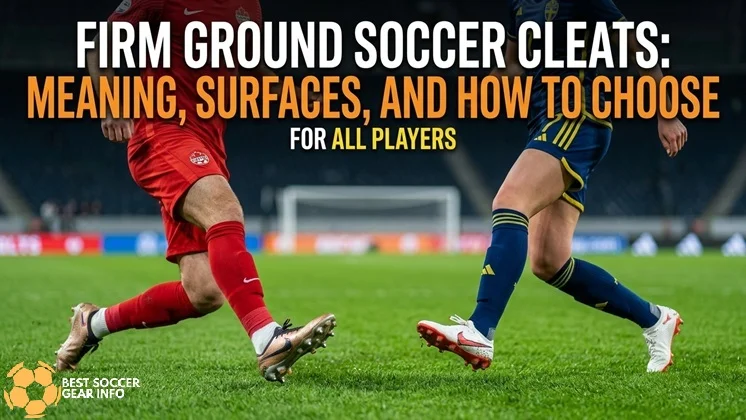
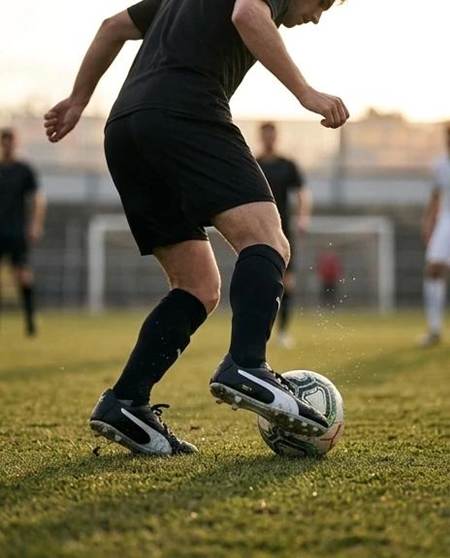
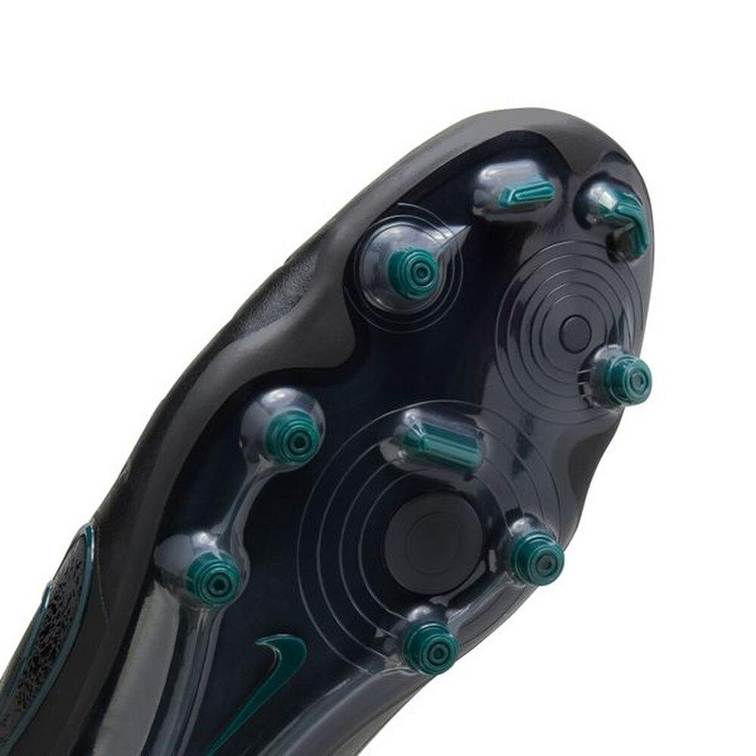
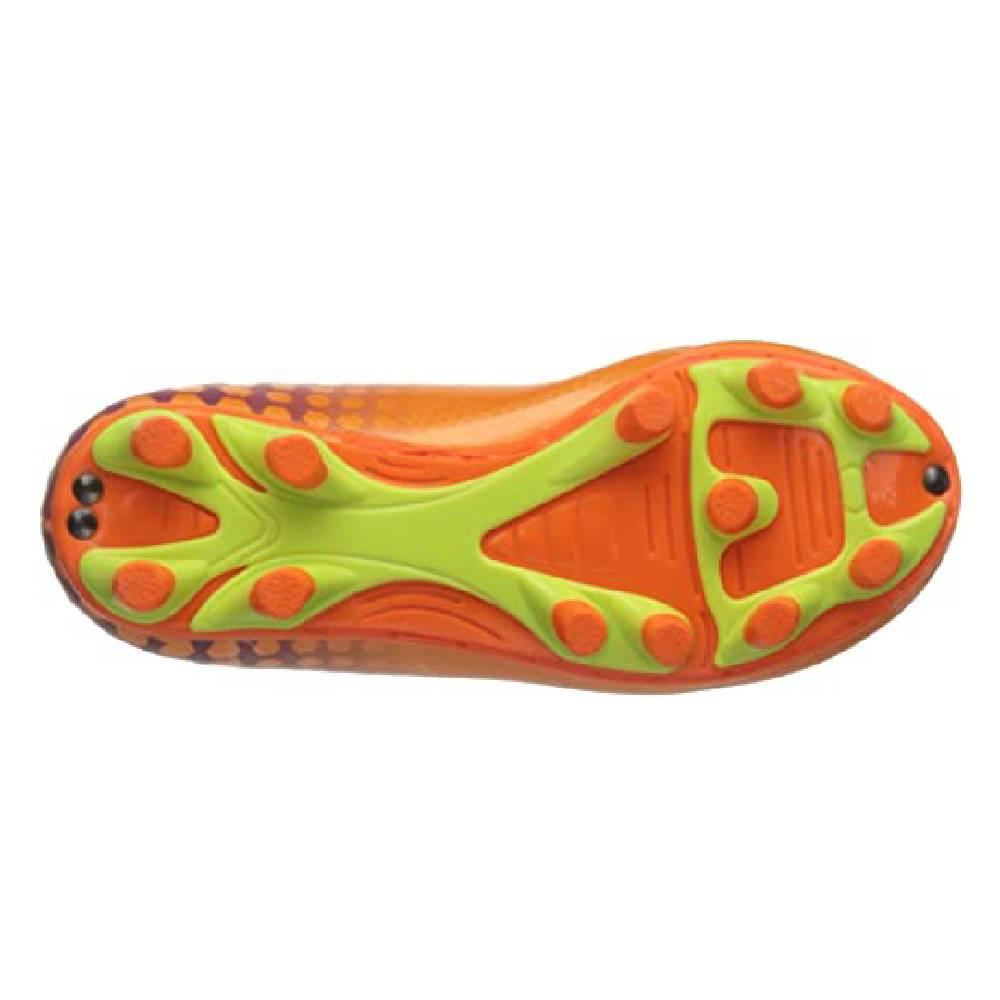
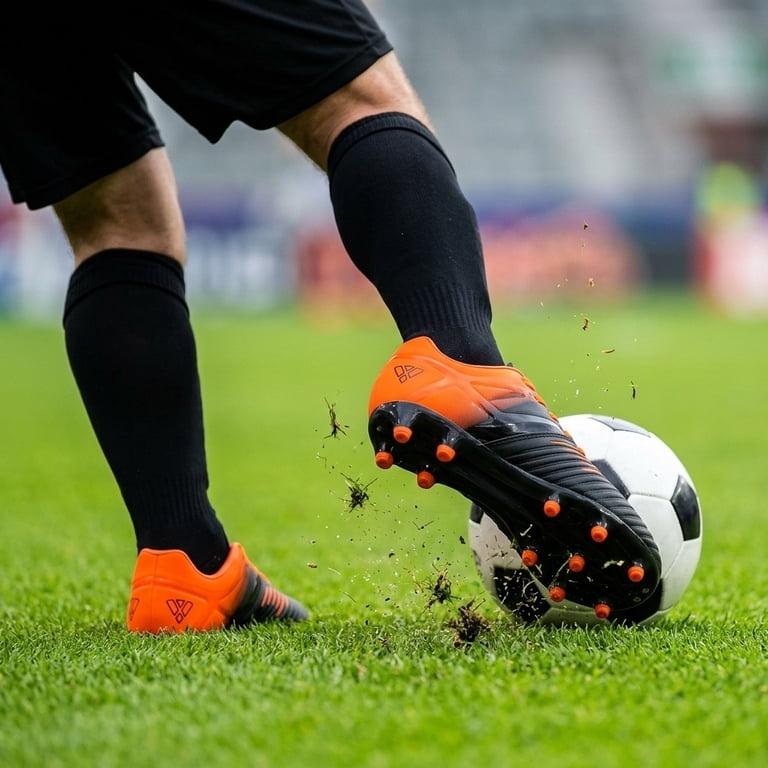
Firm ground soccer cleats (FG cleats) are soccer shoes designed for natural grass fields with firm or moderately soft ground. They have molded studs that help players grip the field, accelerate, change direction, and maintain stability during play.
If you play outdoor soccer on a natural-grass field that is not excessively muddy or hard, firm ground cleats are a common choice. They are different from turf shoes, soft ground cleats, and artificial grass-specific footwear, which are designed for different playing surfaces.
What do firm ground soccer cleats mean?
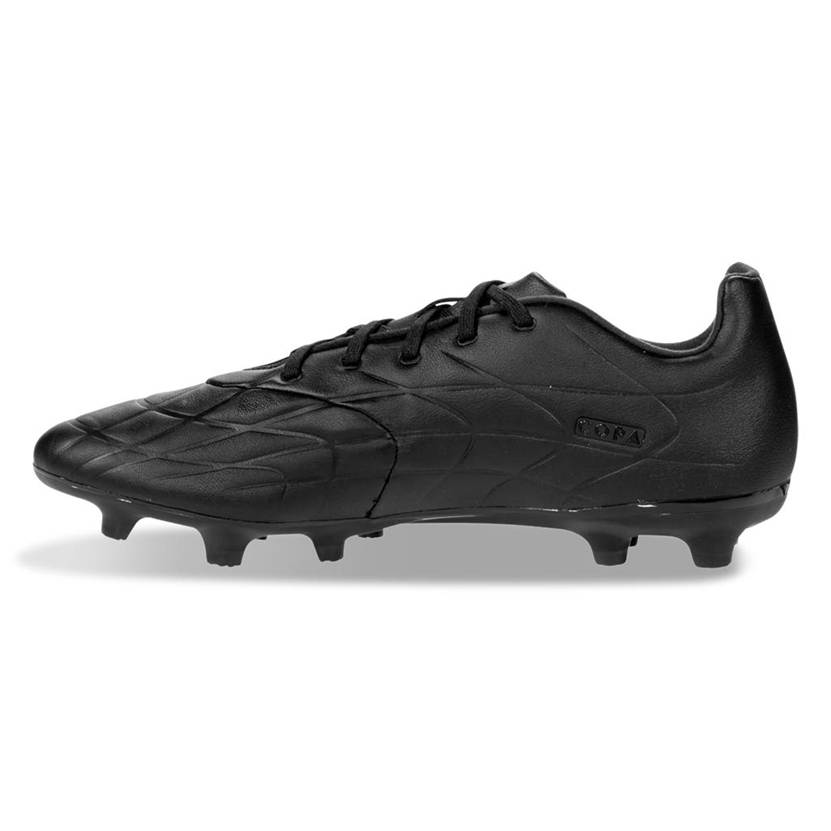
Firm ground soccer cleats are footwear made for natural-grass soccer fields where the ground is firm enough for molded studs to provide traction. The abbreviation FG stands for firm ground.
The term describes the intended playing surface, not a particular brand, price, or player position. A Nike, Adidas, Puma, or other soccer cleat can be an FG model if its outsole is designed for firm natural grass.
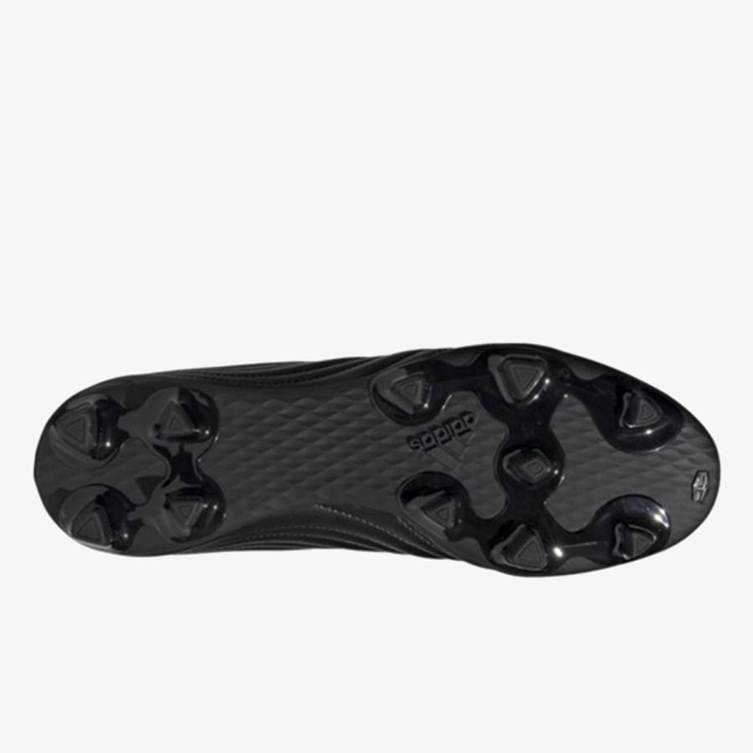
FG = Firm Ground
Molded studs • Natural grass • Outdoor soccer
Best suited for
Firm natural-grass soccer fields.
Not the default choice for
Artificial turf, indoor courts, or very soft muddy fields.
What are firm ground soccer cleats used for?
FG cleats are used for outdoor soccer on natural grass. They are suitable for recreational games, school soccer, club training, competitive matches, and many adult and youth leagues, provided the field and league rules allow them.
The outsole is designed to give traction without the removable long studs typically used for softer playing conditions.
How firm ground cleats work
7
- Studs provide grip. The molded outsole has protrusions that press into the grass and soil.
- Traction supports movement. The cleats help the player push off, stop, and change direction on a suitable field.
- The upper supports the foot. The shoe’s upper, lacing, and fit hold the foot in place while the player moves.
- The sole works with the surface. The traction pattern is intended for natural grass rather than a hard indoor court or dense artificial turf.
Where can you wear firm ground soccer cleats?
| Playing surface | Are FG cleats suitable? | Recommended footwear |
| Natural grass, firm and dry | Yes | Firm ground (FG) cleats |
| Natural grass, moderately soft | Usually | FG or soft-ground footwear, depending on conditions |
| Wet, muddy natural grass | Not always | Soft-ground (SG) cleats, if permitted |
| Artificial grass soccer field | Depends on the field and manufacturer | Artificial grass (AG), multi-ground (MG), or approved FG/AG hybrid |
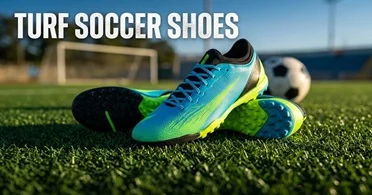
| Artificial turf, short dense carpet | Usually not ideal | Turf soccer shoes (TF) |
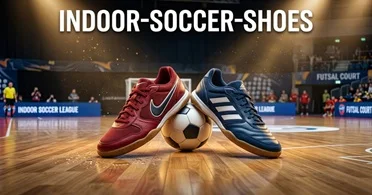
| Indoor futsal or hard court | No | Indoor soccer shoes (IN/IC) |
| Hard, compacted dirt or very hard grass | Not the default | Surface-appropriate shoes, depending on field conditions |
Firm ground soccer cleats on turf
Firm ground cleats can sometimes be worn on artificial grass, but the answer depends on the type of turf, stud design, and facility rules. An FG outsole is made for natural grass and may not be the preferred option on synthetic surfaces.
For regular play on artificial grass, look for AG cleats or a multi-ground outsole that the manufacturer specifically approves for that surface. On short, dense artificial turf, turf shoes with many small rubber nubs may be more appropriate.
Do not assume that all artificial grass is the same. A long-pile artificial soccer field, a small-sided turf facility, and a hard indoor court have different traction requirements.
Firm ground vs. artificial ground soccer cleats
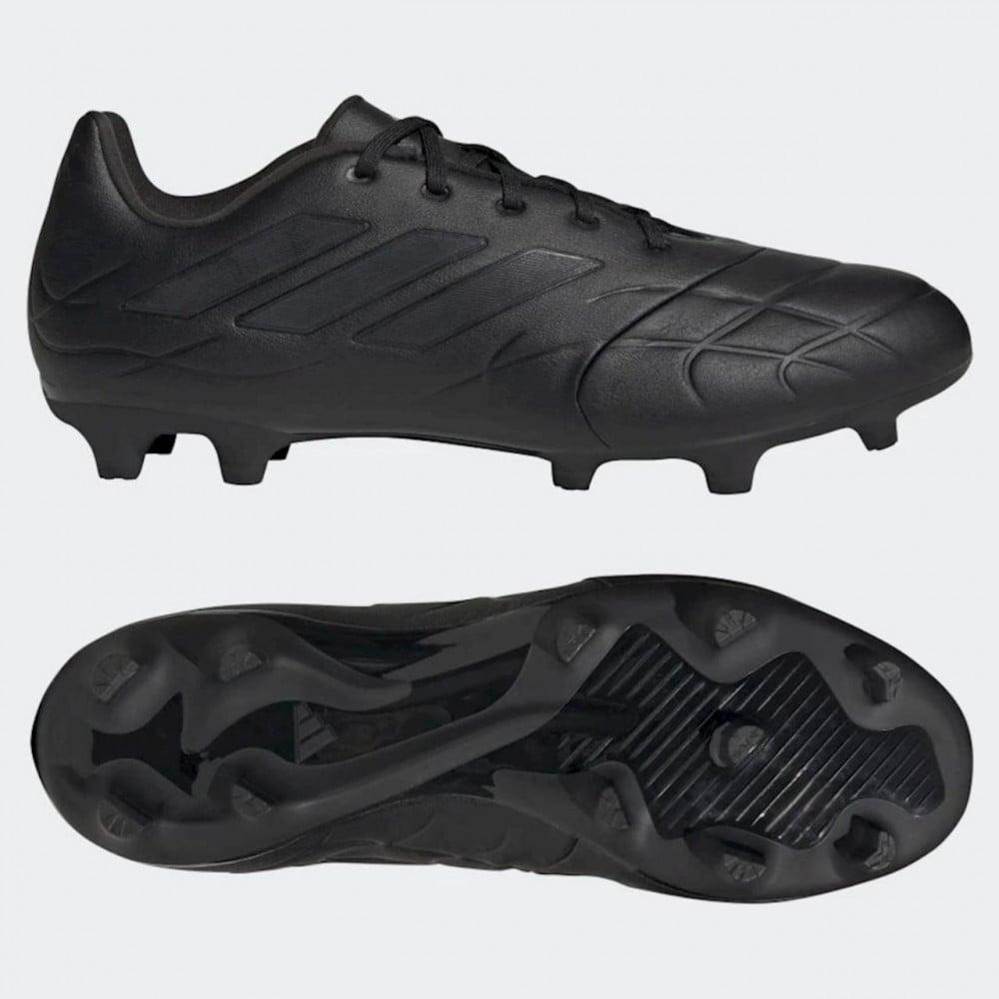
FG cleats
Molded studs for natural grass.
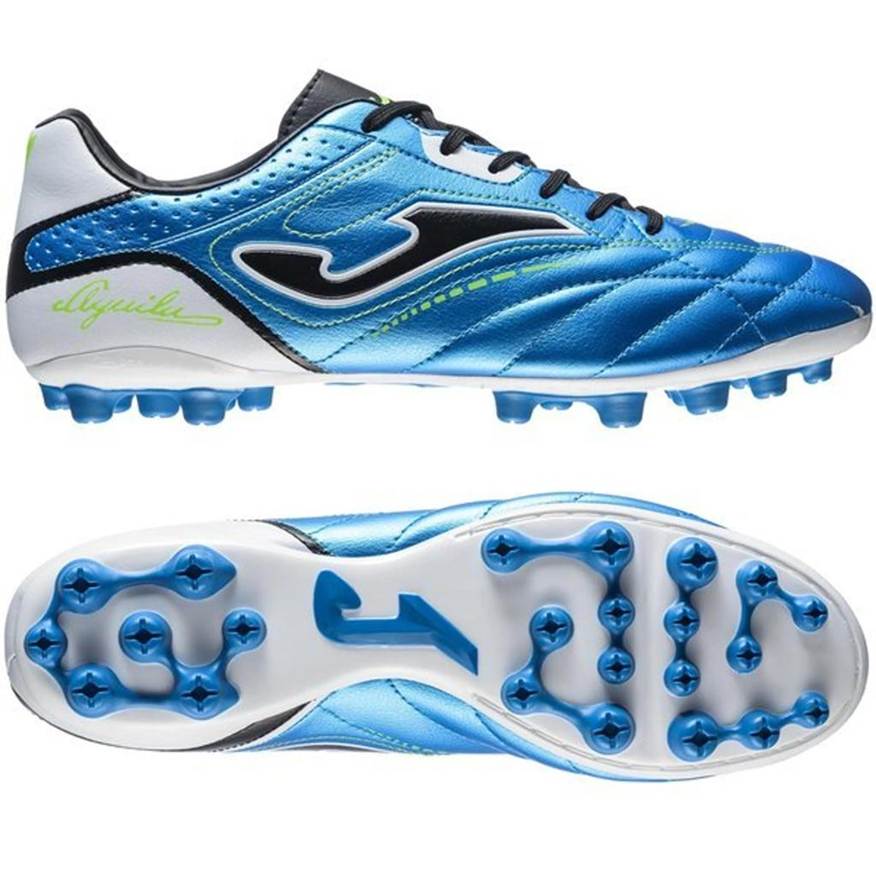
AG cleats
Designed for artificial grass.
| Feature | Firm ground (FG) | Artificial ground (AG) |
| Primary surface | Natural grass | Artificial grass |
| Stud design | Molded studs suited to grass and soil | Shorter, more numerous studs designed for synthetic turf |
| Main purpose | Traction on natural grass | Traction and pressure distribution on artificial grass |
| Best choice for frequent turf play | Usually not | Yes, when approved for the field |
| Can it replace the other? | Not universally | Not universally |
FG and AG are not interchangeable simply because both have molded studs. Check the field’s requirements and the cleat manufacturer’s surface guidance before choosing.
Firm ground vs. multi-ground soccer cleats
Multi-ground (MG) soccer cleats are designed to work across more than one playing surface, often natural grass and artificial grass. The exact suitability varies by outsole and model.
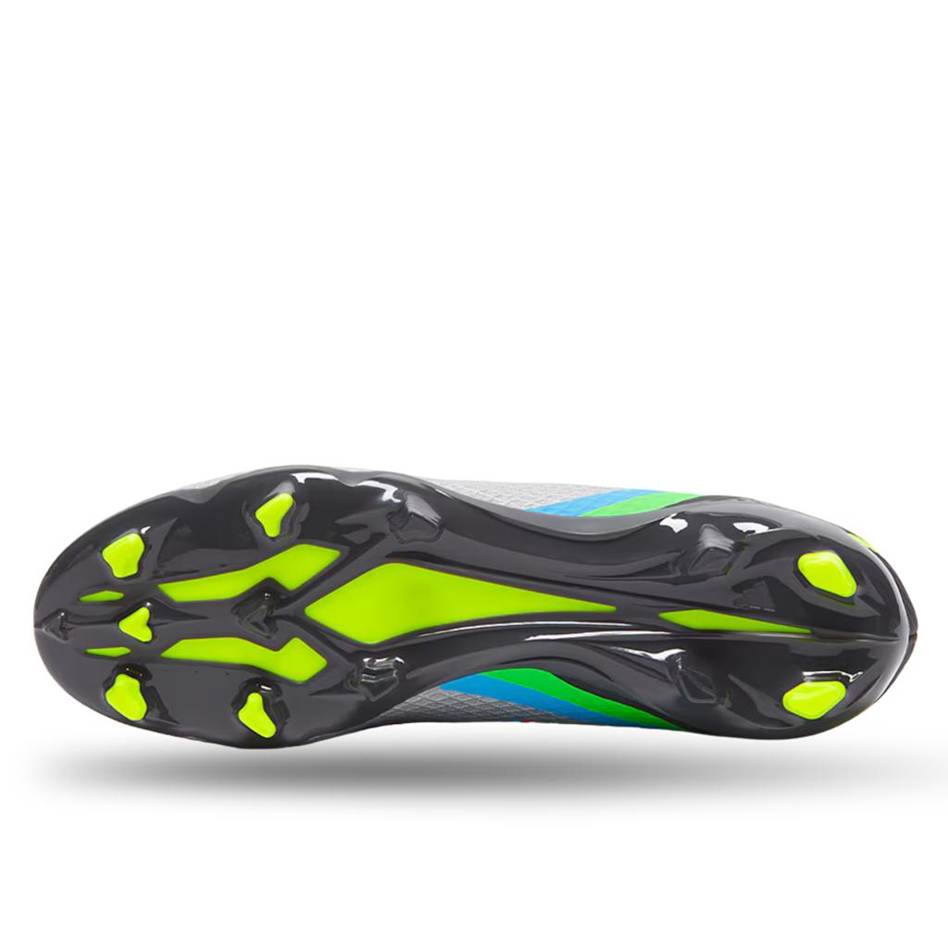
FG
Optimized for natural grass.
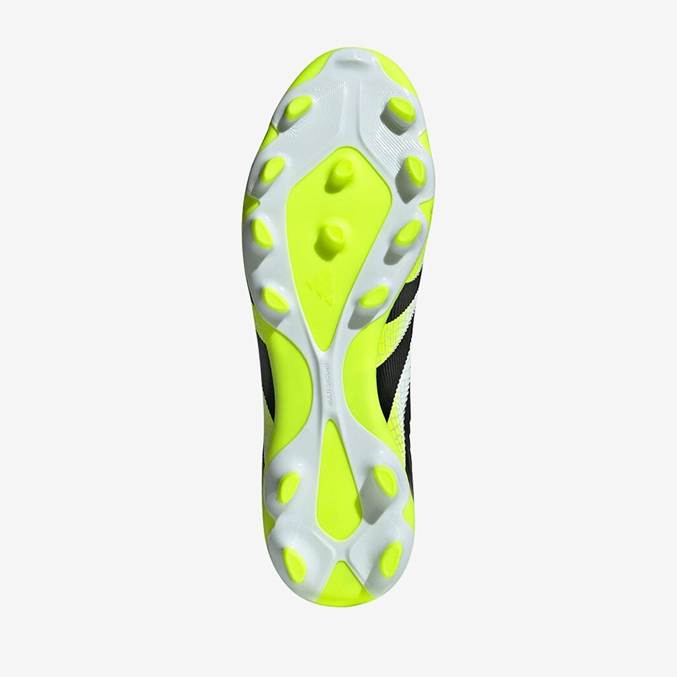
MG
Designed for multiple approved surfaces.
| Feature | FG | MG |
| Full name | Firm ground | Multi-ground |
| Main use | Natural grass | Multiple surfaces specified by the brand |
| Stud arrangement | Natural-grass traction pattern | Often more numerous or distributed studs |
| Best for | Players who mainly use natural grass | Players who regularly switch between approved surfaces |
| Surface compatibility | Follow manufacturer guidance | Still requires model-specific guidance |
Which should you choose? If your regular field is natural grass, FG is a straightforward option. If you play on both natural grass and artificial grass, an MG model designed for both may be more convenient. It does not automatically mean it is ideal for every turf or grass field.
Firm ground vs. soft ground soccer cleats
Soft ground (SG) cleats are intended for natural grass that is soft or muddy. They commonly use removable metal or mixed studs, although designs vary.
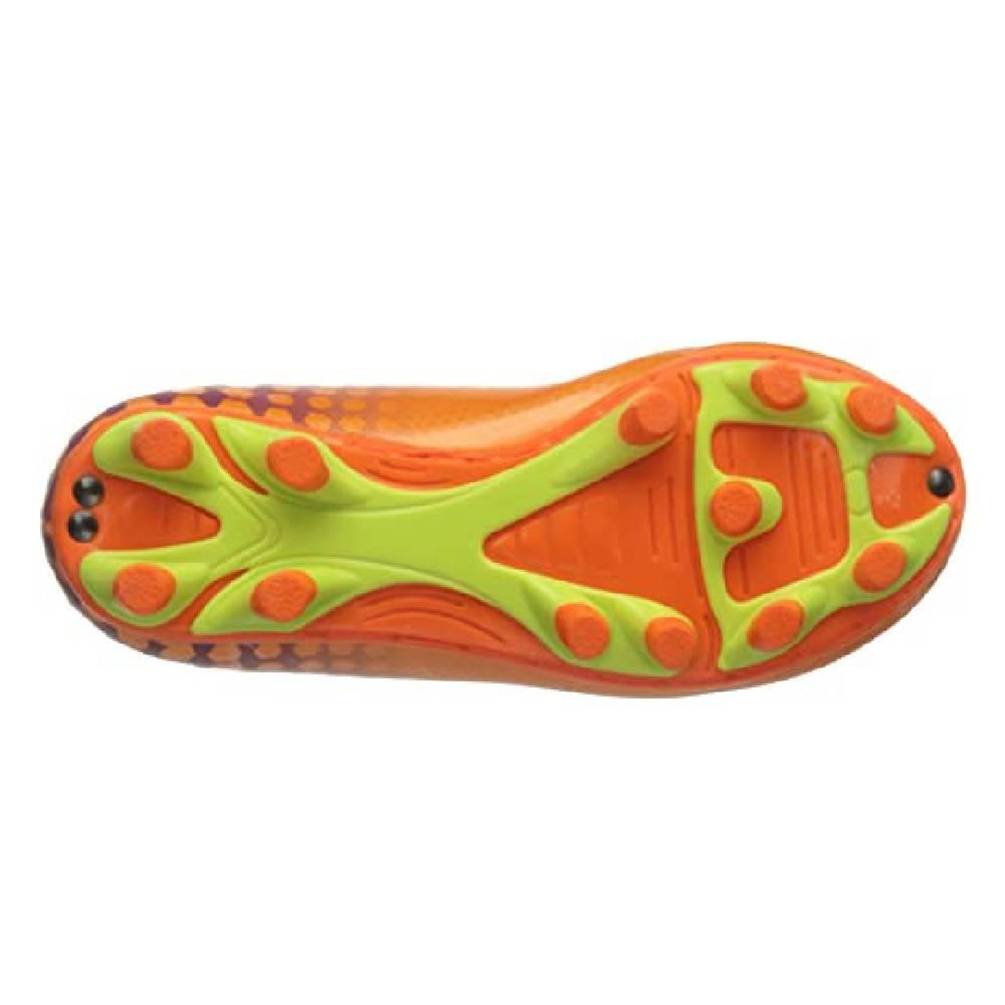
Firm ground
Molded studs for firm natural grass.
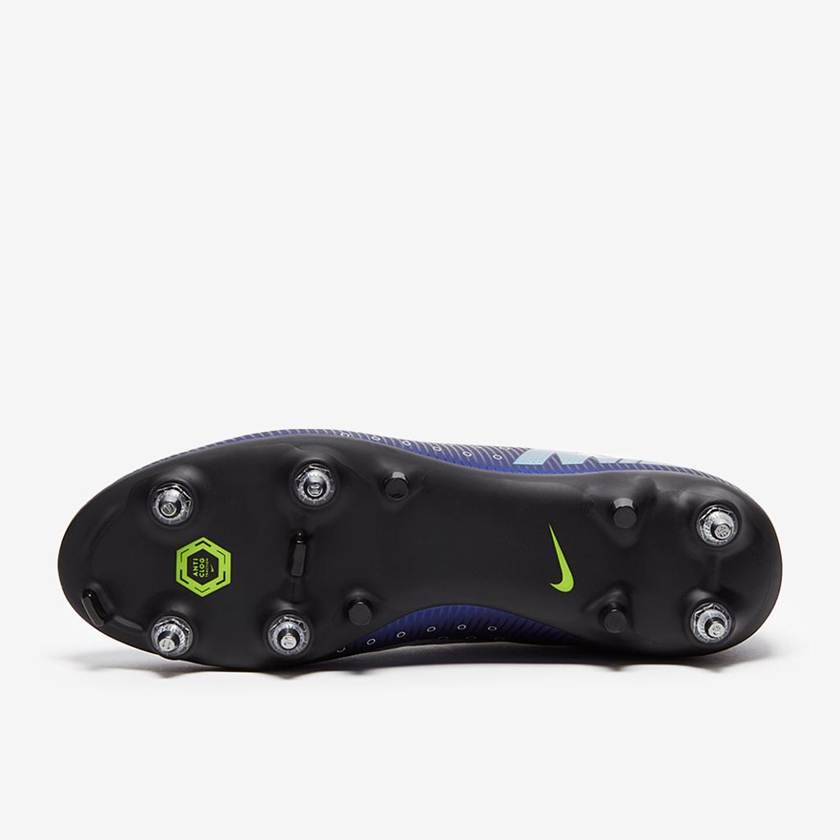
Soft ground
Often longer or replaceable studs for softer ground.
| Feature | FG | SG |
| Intended field | Firm natural grass | Soft or muddy natural grass |
| Studs | Molded, usually fixed | Often removable, longer, or mixed |
| Surface penetration | Moderate | More suited to soft ground |
| Typical use | Most firm grass matches | Wet, soft conditions |
| On hard ground | Not ideal if the field is extremely hard | Avoid using long SG studs on hard ground |
Use SG cleats only when the conditions, league rules, and manufacturer’s instructions support them. Longer studs are not automatically better for every field.
Firm ground soccer cleats for kids
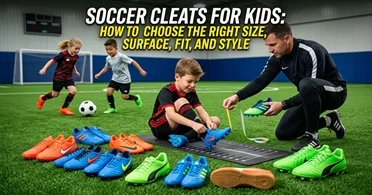
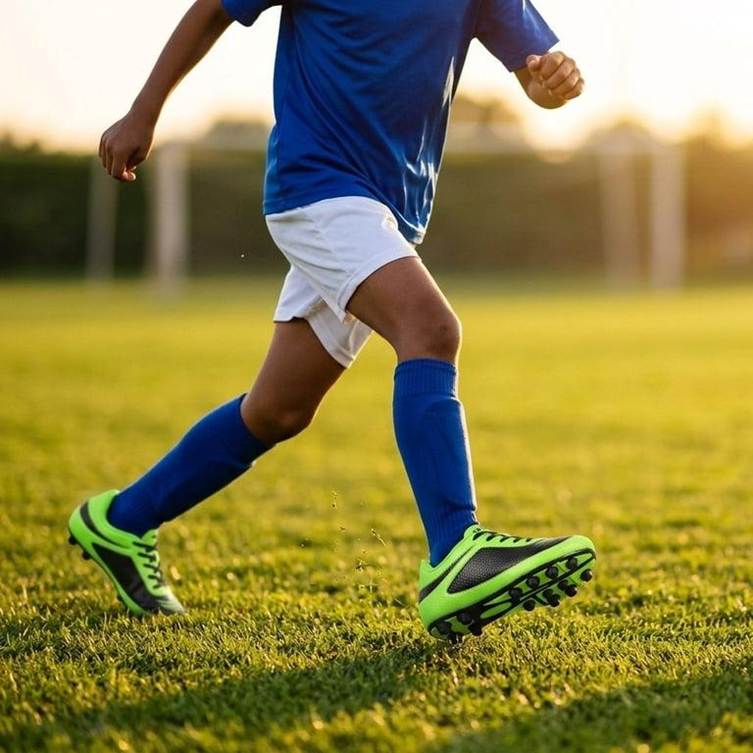
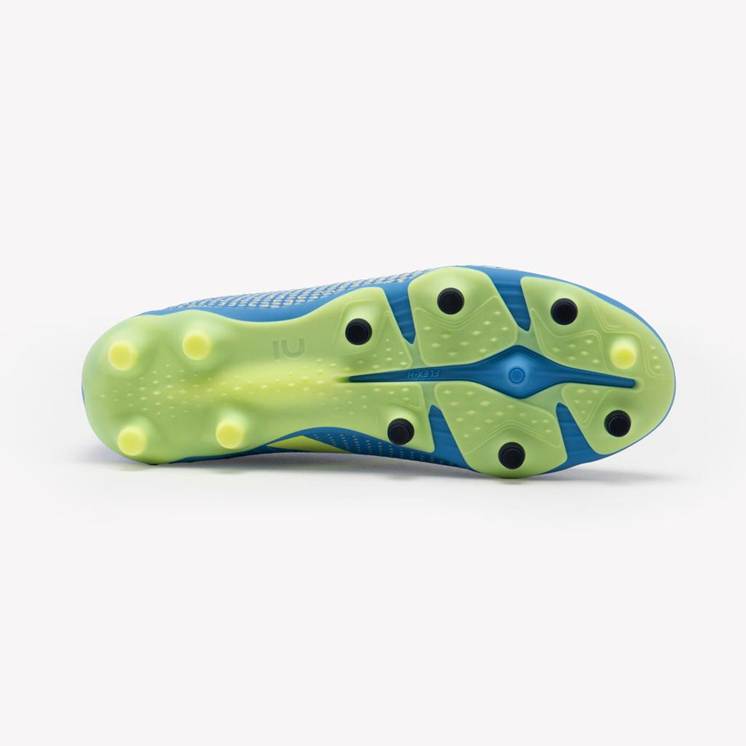
Kids can wear firm ground soccer cleats when they play on suitable natural grass and the shoes fit correctly. The outsole category is the same as for adults, but youth cleats may differ in sizing, weight, construction, and available stud patterns.
5
What to look for in kids’ FG cleats
- A secure, comfortable fit with enough room for the toes to move naturally.
- Studs appropriate for the child’s playing surface.
- A shoe that is easy to put on and fasten securely.
- A lightweight design that does not feel cumbersome.
- Materials and construction suited to the child’s playing level and frequency of use.
Do not buy adult-size cleats for a child simply to save money. A proper fit matters more than the brand name or the price.
Firm ground soccer cleats for women
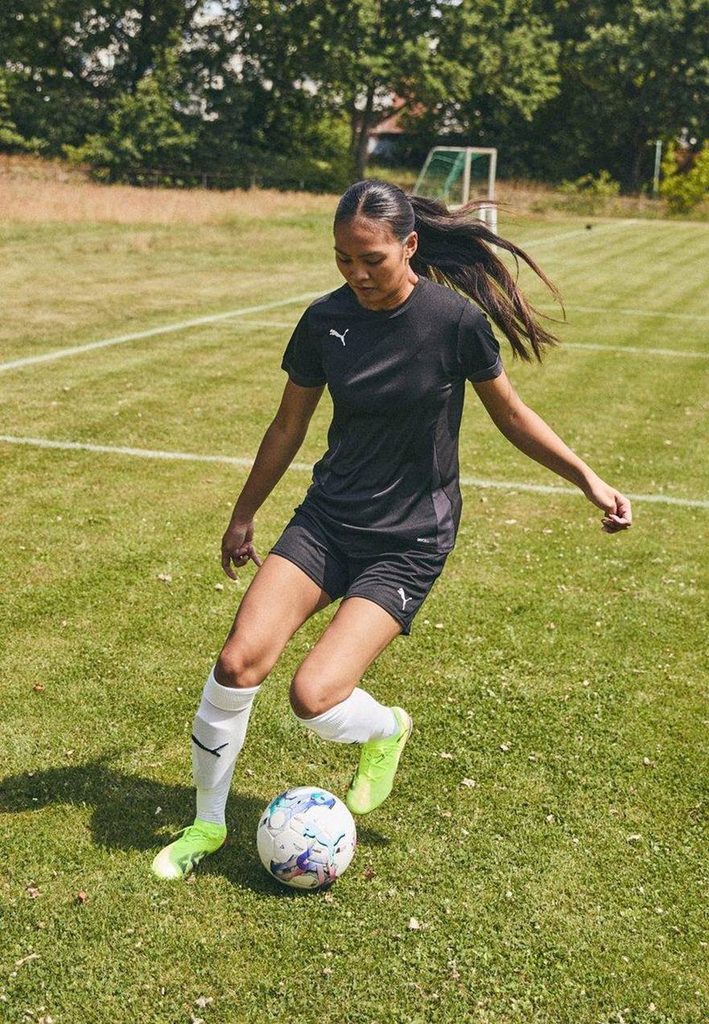
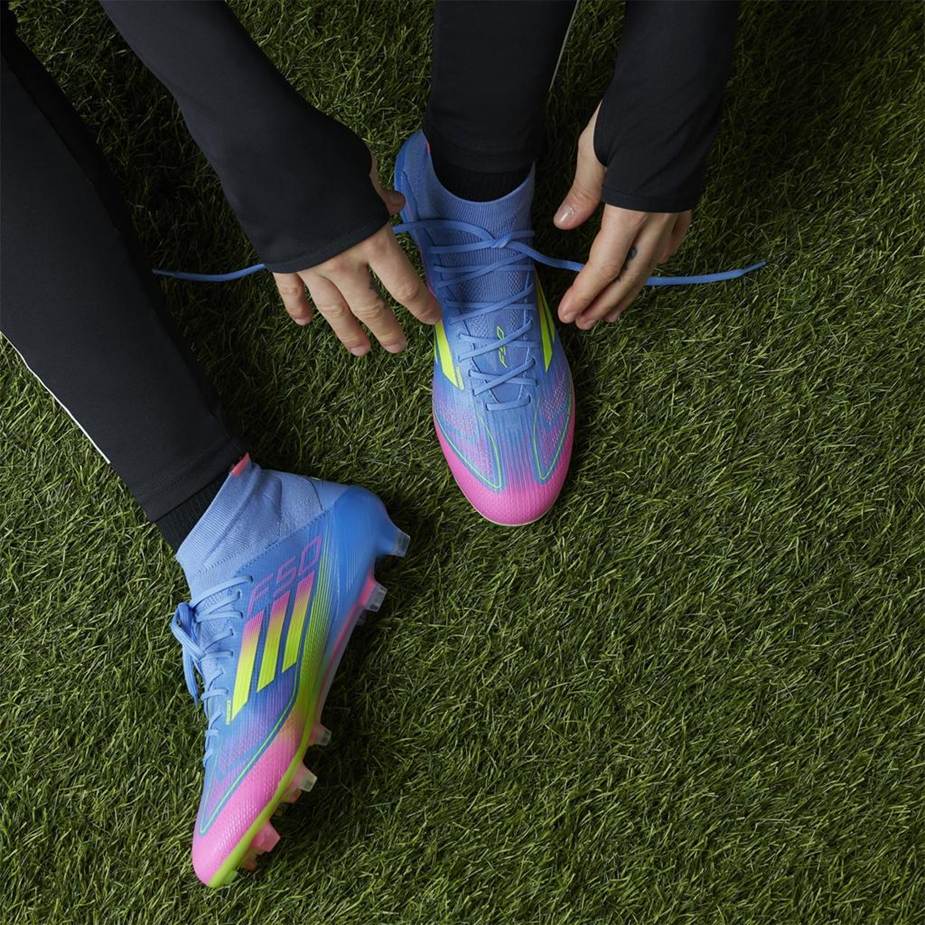
Women’s FG soccer cleats are available from major soccer brands, and women can also wear unisex or men’s models if the fit is comfortable and appropriate.
The key considerations are the same: playing surface, fit, traction, comfort, and league requirements. Some women’s models use different shapes or size ranges, but the FG classification still refers to the intended surface.
6
Firm ground soccer cleats for men
Men’s FG soccer cleats are designed for the same natural-grass surface as other FG footwear. Men’s models may offer different size ranges, widths, and upper constructions.
For men’s soccer, choose an FG outsole if you primarily play on firm natural grass. Do not choose solely based on the label “men’s”; the outsole and fit should match the playing conditions.
Firm ground soccer cleats from Nike, Adidas, and Puma
Many major brands produce firm ground soccer cleats across different product families. The important distinction is the outsole classification, not just the brand.
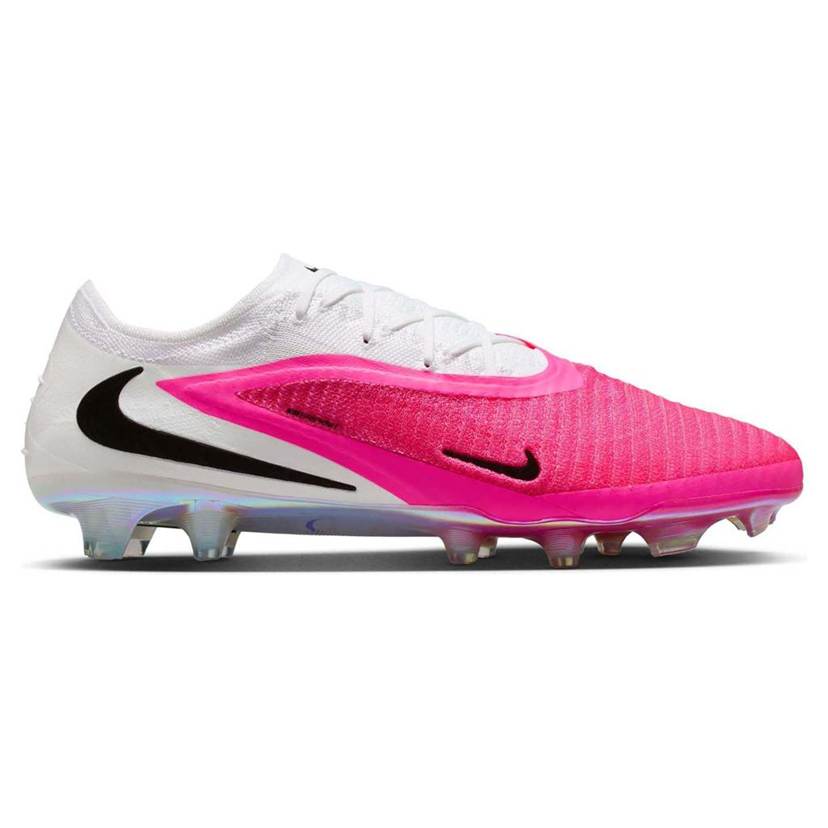
Nike FG cleats
Examples include Nike Phantom FG models and other Nike soccer cleats labeled for firm ground.
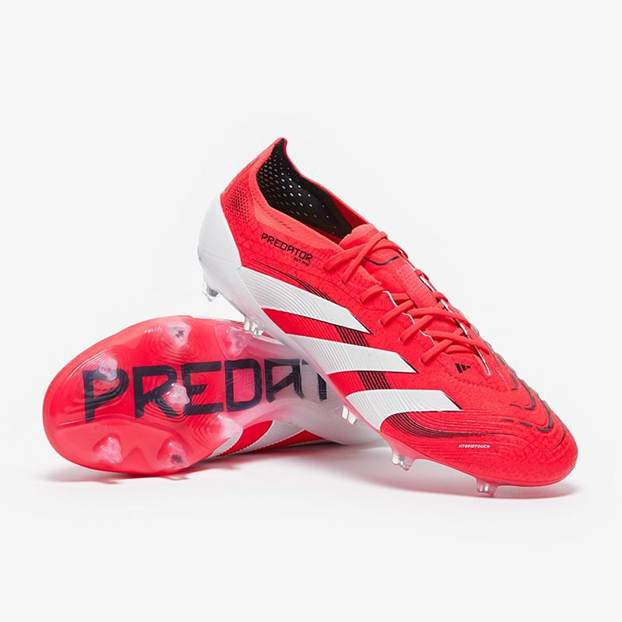
Adidas FG cleats
Examples include Adidas Predator, F50, and Copa FG models.
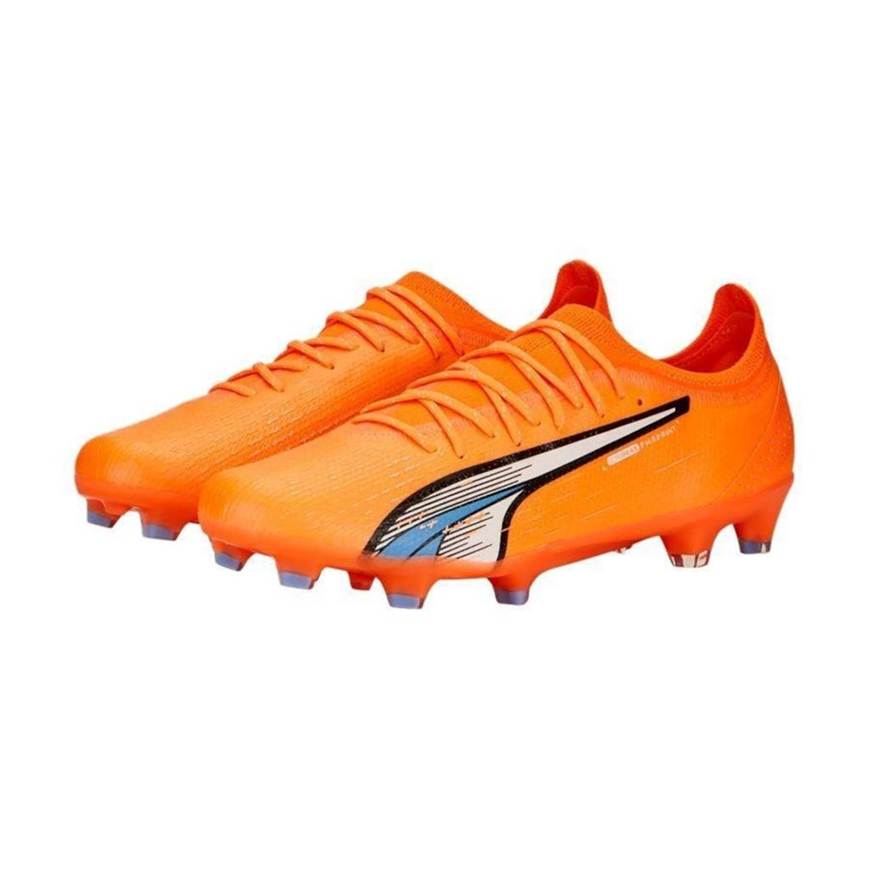
Puma FG cleats
Examples include Puma Ultra and other Puma models with an FG outsole.
Product names that appear in FG searches
The following are model families or product names from your keyword research. They are examples of the types of FG products shoppers search for, not a claim that every current version is available or uses the same outsole.
- Adidas F50
- Adidas Predator
- Adidas Copa
- Nike Phantom
- Puma Ultra
If you are comparing a specific model, check the exact product listing for its FG, AG, MG, or other outsole designation.
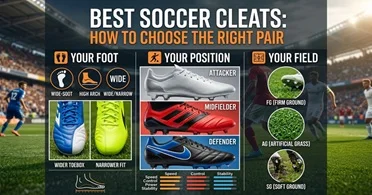
How to choose firm ground soccer cleats
- Identify your playing surface
Start with the field you use most often. Natural grass usually points toward FG; artificial grass may call for AG or MG; indoor courts require indoor shoes.
- Choose the correct fit
Your heel should stay secure, your toes should have room to move, and the shoe should not pinch or slip when you run.
- Compare upper and outsole materials
Leather, synthetic, and knit uppers offer different fit and feel. The outsole’s traction design should match the field.
- Set your budget
Compare the total value of the cleat, including fit, durability, and whether it works on your regular field. A lower price does not make an unsuitable outsole a good choice.
How should firm ground soccer cleats fit?
Firm ground cleats should feel secure without being painfully tight. The heel should not lift excessively, the toes should not be cramped, and the shoe should remain comfortable while walking and running.
When trying them on, wear the socks you normally use for soccer. Check the fit in both feet and test basic movements before deciding.
Firm ground soccer cleats price and sale options
FG cleats are sold at different price points, from entry-level models to premium soccer boots. The price depends on the brand, product tier, materials, and current retail promotions.
When shopping for firm ground cleats on sale, check:
- The exact outsole designation (FG).
- The size and fit.
- The return policy.
- Whether the product is new, discounted, or a previous-season model.
- Whether the field you use allows that outsole.
A discounted AG, MG, or SG cleat is not a substitute for an FG cleat if your field specifically requires FG footwear.
Common mistakes and misconceptions
Mistake: FG means any outdoor soccer cleat.
FG specifically refers to firm natural grass. Outdoor does not automatically mean FG.
Mistake: More studs always mean better traction.
Traction depends on the outsole design and the playing surface, not simply the number of studs.
Mistake: FG cleats are suitable for all artificial turf.
Artificial surfaces differ. Follow the turf facility’s rules and the manufacturer’s guidance.
Mistake: Expensive cleats guarantee better performance.
The best match depends on the fit, playing surface, and your needs.
Firm Ground Soccer Cleats FAQs
What are firm ground soccer cleats?
Are firm ground soccer cleats good for turf?
Can I wear firm ground cleats on artificial grass?
What is the difference between FG and AG soccer cleats?
What is the difference between firm ground and multi-ground cleats?
Are firm ground cleats suitable for kids?
Are firm ground cleats available for women?
Are Nike, Adidas, and Puma soccer cleats available in FG?
Are firm ground cleats suitable for muddy fields?
How should firm ground soccer cleats fit?
Can I use firm ground cleats for indoor soccer?
Are firm ground soccer cleats the same as regular soccer cleats?
Conclusion
Firm ground soccer cleats are designed for natural-grass soccer fields with firm ground. Their molded studs help provide traction for running, turning, and playing, but the correct outsole depends on the field you use. Choose a comfortable fit and match the cleat’s surface designation to your playing conditions.